
What Are the Most Common Signs Your Roof Needs Replacement?
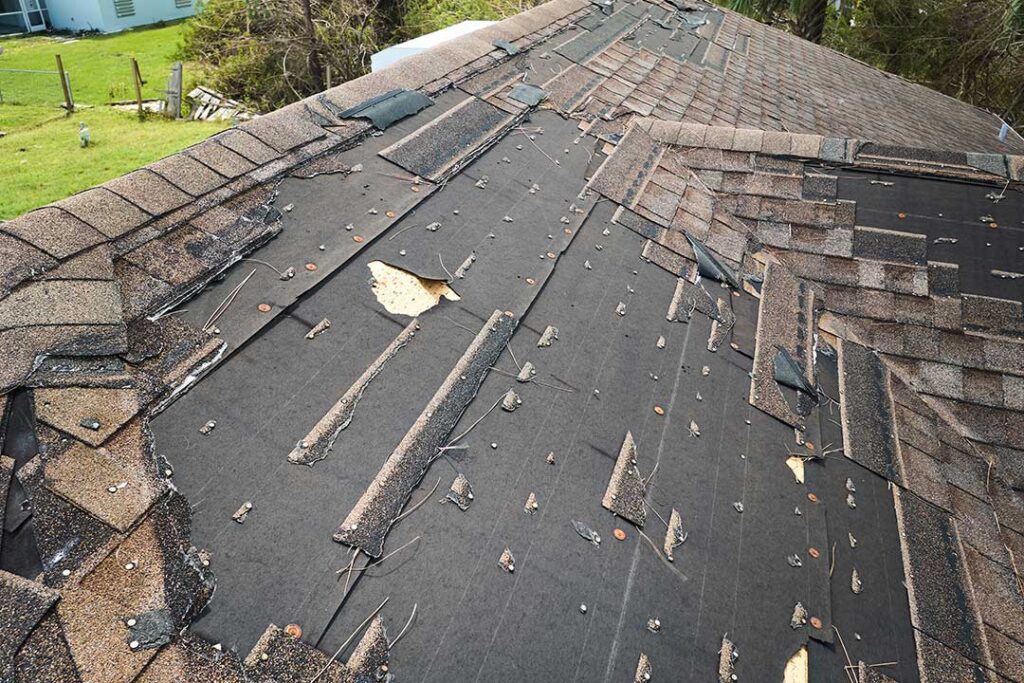
Roofs in Niagara Falls, NY, face unique weather challenges, from icy winters to windy springs and humid summers. Some signs that a roof may need replacing are clear and immediate, while others are easy to miss until major damage occurs.
The most widely recognized indicators include:
- Shingles that are cracked, curled, or missing
- Excessive granule loss, which may be found in gutters
- Sagging areas, particularly along the ridgeline or valleys
- Persistent leaks, often appearing as damp spots on ceilings or upper walls
Other clues may be subtler. For example, daylight visible through the attic boards can suggest holes or serious wear. Moss or algae growth, common on shaded roofs in the city, may mask underlying moisture damage.
How Does the Niagara Falls Climate Affect Roof Longevity?
Local weather patterns play a key role in how quickly a roof ages. In Niagara Falls, roofs endure heavy snow, ice dams, wind-blown rain, and dramatic temperature shifts. These factors accelerate wear compared to drier or milder climates.
Winter’s freeze-thaw cycles can cause roofing materials to expand and contract, making them more prone to cracking and water infiltration. Spring brings high winds and driving rain that may loosen shingles or expose weak areas. Prolonged summer humidity encourages moss and algae growth, while autumn leaf buildup can clog gutters and cause water to pool.
Given these local realities, roof lifespans are often shorter in Niagara Falls than in areas with less severe weather. Homeowners should perform seasonal checks to spot problems early.
What Is the Typical Lifespan for Different Roofing Materials?
Most homes in Niagara Falls have asphalt shingle roofs, with an expected life of 15 to 25 years. Other materials used in the city have different timetables:
- Architectural asphalt shingles: 20–30 years
- Three-tab asphalt shingles: 15–20 years
- Metal roofing: 40–70 years
- Wood shakes: 20–30 years (but can be shorter due to moisture concerns)
- Slate or tile: 50+ years, though rare in most neighborhoods
Environmental conditions, installation quality, and regular upkeep all impact a roof’s real-world longevity. Even if a roof looks intact, a structure that’s 20 years old or more may be nearing the end of its protective abilities, especially after harsh winter seasons.
Can Frequent Repairs Delay Roof Replacement?
While periodic repairs might extend a roof’s useful life, there comes a point where patching is no longer cost-effective or reliable. Repeated leaks, shingle problems, or ongoing water intrusion are signs the underlying structure may be failing. In Niagara Falls, ice damage and water infiltration can cause hidden rot in the decking or insulation.
If multiple repairs are needed within a few years, or if whole sections of shingles need frequent replacement, it’s worth considering whether continued repairs are just delaying the inevitable. Over time, ongoing patching can mask deeper problems and lead to more expensive water damage inside the home.
How Can You Safely Inspect Your Own Roof in Niagara Falls?
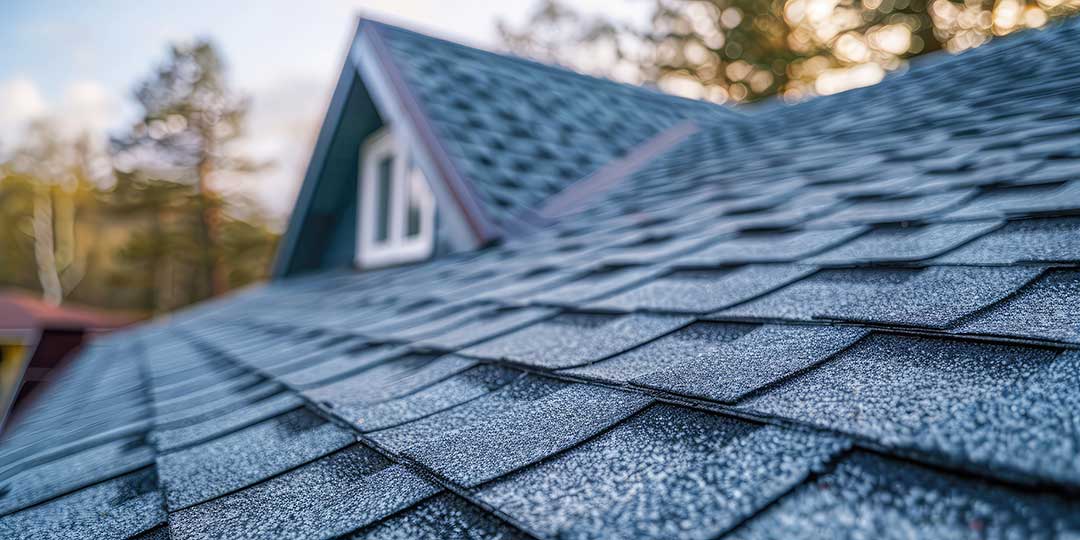
Observing a roof safely does not require climbing onto it, which is especially important in an area known for icy conditions. Homeowners can check for visible issues by walking around the home and using binoculars if necessary. Look for:
- Sagging or uneven lines along the roof
- Damaged or displaced flashing near chimneys and vents
- Deteriorating gutters or gutter runoff caused by missing shingles
- Interior ceiling stains and peeling paint, especially after storms
For flat or low-pitched roofs, view from an upstairs window if possible. Attic inspections after rain or thaw cycles can reveal leaks or sunlight through the decking. Avoid climbing during slippery conditions.
What Are Some Overlooked Factors That Signal Roof Replacement?
Residents often wait until leaks appear to consider roof replacement, but several lesser-known issues can signal serious problems:
- Excessive attic humidity or mold blooms, often due to poor ventilation
- Higher-than-usual heating bills in winter, possibly caused by heat loss through a degraded roof
- Unexplained animal or insect infestations, as small holes create entry points
- Persistent shingle debris in the yard after storms
Local building codes may also require full replacement if more than one layer of shingles exists. Area households in older neighborhoods should consider this during renovations, as adding more layers is not always allowed.
What Misconceptions Do Local Residents Have About Roof Replacement Timing?
A common misconception is that roofs must be leaking to need replacement. In reality, some roofs protect poorly before the first visible leak occurs, especially after repeated wind uplift or ice damage.
Another myth is that replacing a roof is only necessary immediately before selling or buying a home. In Niagara Falls, delayed roof replacement can raise insurance issues or reduce energy efficiency. Local residents sometimes believe a single visible problem, like a missing shingle, means only minor repair is needed. While this is sometimes true, one symptom can suggest broader issues, especially on older roofs that have weathered several harsh winters.
Paying attention to subtle problems and recognizing regional climate impacts helps area homeowners make confident, timely decisions about roof replacement—before water intrusion becomes a major concern.
