
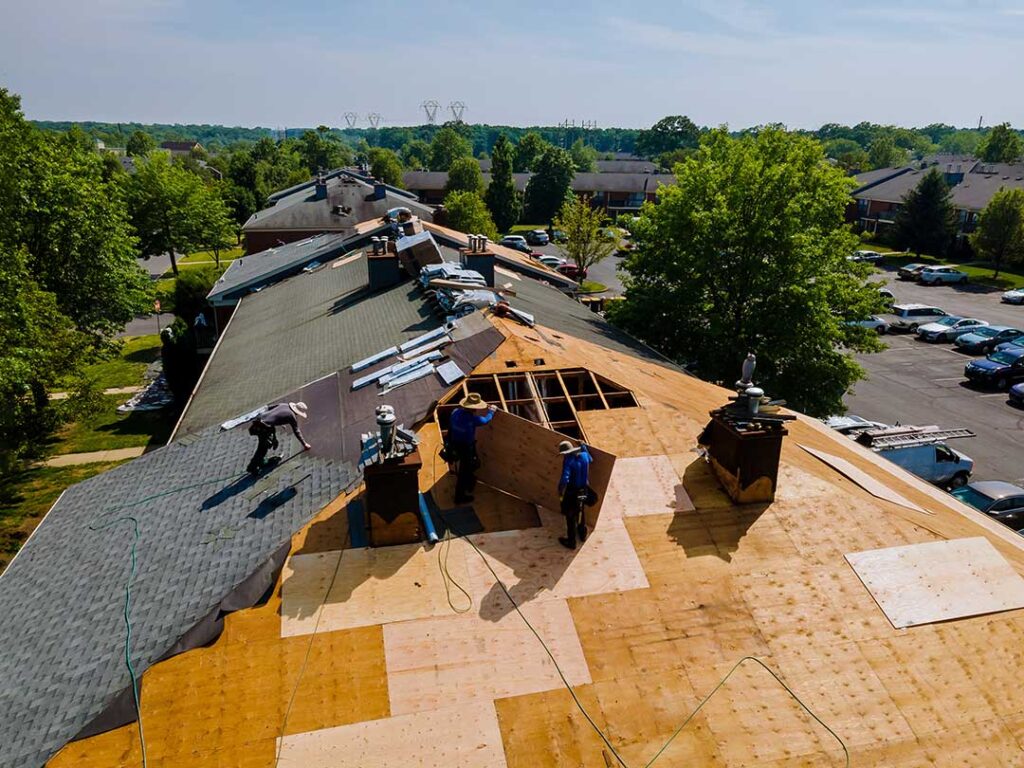
Can Tree Limbs Really Damage a Roof?
Even a modestly sized tree branch hanging above or near a roof can create a variety of issues for homes in Niagara Falls, NY. Roof problems from trees aren’t limited to dramatic storm events; many problems emerge quietly over months or years. The risks multiply in a region with cold winters, mature neighborhoods, and a high proportion of tree-lined streets like those in the local community.
What Kinds of Roof Problems Can Tree Limbs Cause?
Tree limbs can harm roofs physically and indirectly. Direct impact can break shingles or tiles, but long-term issues are just as significant.
- Shingle and Material Damage: Limbs that brush against roofs during wind are more than just noisy. They gradually scrape away the protective granules on asphalt shingles, making roofing susceptible to leaks and UV damage.
- Punctures and Structural Damage: Heavier limbs, especially from local hardwoods, can snap during storms or under snow loads. If these branches fall onto a roof, they can break through shingles, decking, and even rafters beneath.
- Blocked Gutters and Drainage: Leaves and small twigs fall into gutters, leading to clogging. In Niagara Falls, with snow and rain cycles, blocked gutters allow water to back up under shingles, contributing to roof rot and ice dam formation in winter.
How Does the Local Climate Affect Tree-Roof Risks?
Residents of Niagara Falls face specific seasonal dynamics that influence how tree limbs and roofs interact.
- Ice and Snow Accumulation: In winter, ice often coats branches. When added weight pulls limbs down or breaks them, roofs beneath are at risk. Additionally, thaw cycles can cause ice-laden branches to swing or scrape across surfaces.
- High Winds: Spring and fall storms frequently bring strong gusts that can dislodge weak limbs, sending them onto rooftops without warning.
- Rapid Plant Growth: Warm, wet summers encourage rapid tree growth. Branches that seemed far from a roofline in May may be overhanging by August.
What Are Some Common Warning Signs?
Physical inspection from the ground can reveal early trouble spots, but some symptoms are subtle.
- Visible Scratches or Bald Spots: Look for shiny, bare patches on shingles, which indicate scraping.
- Moss, Algae, or Excess Moisture: Dense shade traps moisture, leading to growths that can speed up shingle wear.
- Frequent Gutter Clogs: Clogged downspouts after each rain suggest overhanging branches are constantly shedding.
- Increased Animal Activity: Tree limbs close to roofs provide a bridge for squirrels and raccoons, which may pry up shingles or create nests.
Are All Roof Types At Equal Risk?
Not all roof materials react the same way to tree limb contact. In Niagara Falls, most homes have asphalt shingles, which are vulnerable to abrasion and impact. Metal and slate roofs resist some types of scratching but can still be dented or cracked by falling limbs. Flat roofs, common on some older homes, may also trap debris more easily, leading to water pooling and slow leaks.
How Can Residents Reduce The Risk?
There are several straightforward steps to minimize tree-related roof damage, many of which can be done without climbing or specialized equipment.
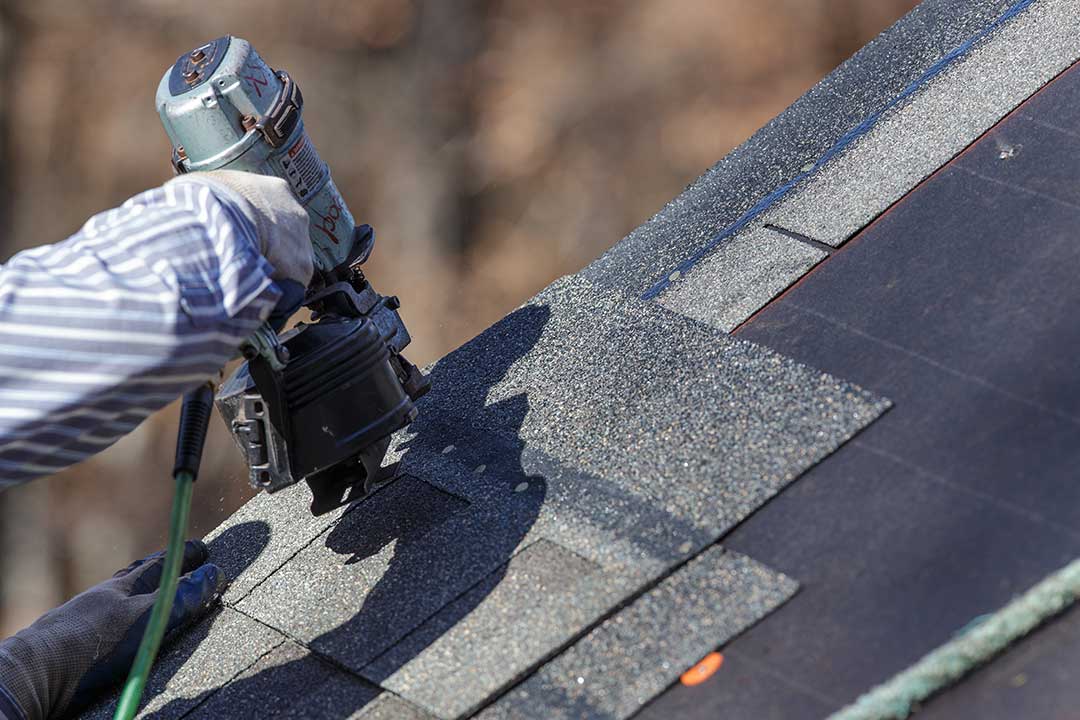
- Regular Visual Checks: Walk around the property and look for limbs within six to ten feet of the roofline.
- Prune Annually: Have low branches trimmed back before winter. Overly aggressive pruning isn’t necessary—just enough to keep natural movement from causing contact.
- Clear Debris: Scoop leaves from gutters each fall, and consider gutter guards if nearby trees continually drop debris.
- Monitor After Storms: After major weather events, visually inspect the roof and yard for new branches or damage, especially during stormy fall and wet spring seasons.
Could Insurance Be Affected by Overhanging Branches?
Many homeowners in the city do not realize that insurance policies might limit coverage for roof damage if a fallen limb was from a neglected tree on the property. Insurers expect reasonable home maintenance, including managing overhanging vegetation. If a claim follows an incident, documentation of preventive action can make the process smoother.
Are Some Common Beliefs About Tree Limbs and Roofs Untrue?
A few misconceptions persist in the community, especially about trees and roof health.
- “Smaller branches aren’t a problem.” Even thin branches can slowly wear away shingle surfaces, especially in constantly breezy areas.
- “Evergreens are harmless.” Pine and spruce trees shed needles and sticky sap, which can collect moisture and cause roof mold.
- “If nothing has happened yet, it’s fine.” Many issues—from leaks to rot—develop continuously and silently, often unnoticed until repairs are expensive.
When Is It Time to Act?
If a tree branch is actively pressing on the roof, immediate attention is needed, regardless of the season. In most other cases, planning seasonal trimming and keeping gutters clear can address the majority of risks. Homeowners should avoid attempting to cut large or high branches themselves; for those, it may be safer to seek assistance from qualified professionals due to the risk of falls or property damage, especially when power lines or nearby homes are involved.
