
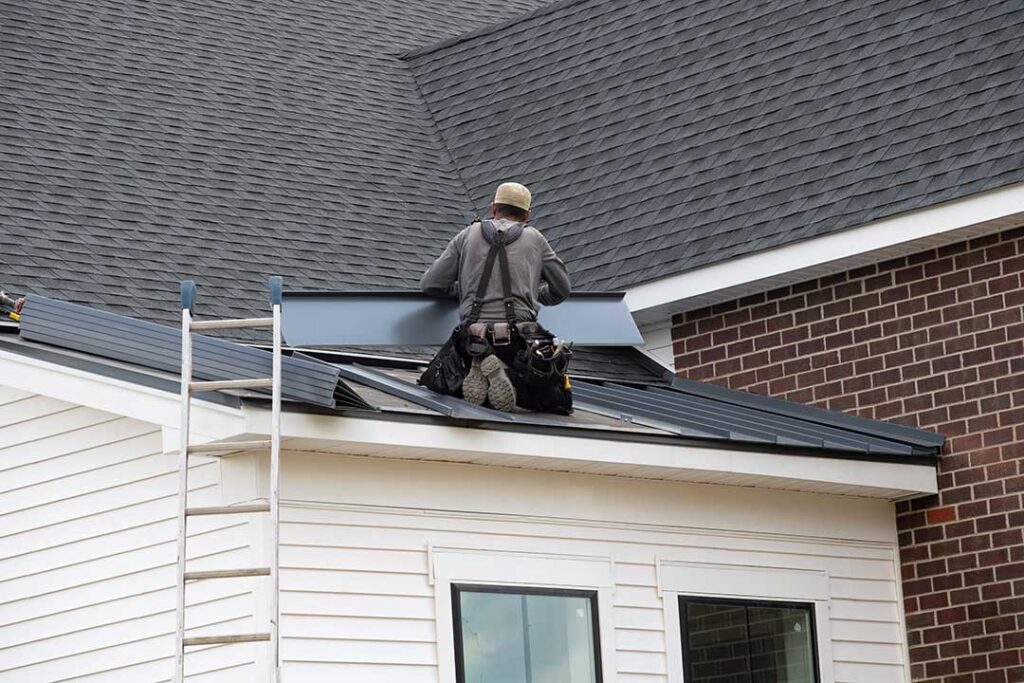
Why Should Residents of Niagara Falls, NY Check Roofs After a Storm?
Wind, hail, and heavy rainstorms in Niagara Falls can cause damage that isn’t always obvious right away. After a major storm, taking a careful look for issues is important to prevent leaks and bigger problems later. Given the region’s mix of weather extremes—lake-effect snow, sudden thaws, and occasional strong winds—roof assessments are a routine part of responsible property care.
What Signs of Storm Damage Should You Look For?
Many signs of damage are visible from the ground or attic. Some of the most common issues to check after a storm include:
- Missing shingles—often caused by wind gusts during thunderstorms.
- Lifted, curled, or dented shingles—look for areas where shingles are not lying flat or appear bruised.
- Granules in gutters or downspouts—reflects damage to shingle surfaces, particularly after hail or intense rain.
- Visible water spots on ceilings or attic sheathing—evidence of roof leaks or flashing failures.
- Bent, dislodged, or missing metal flashing around vents, chimneys, or skylights.
- Debris on the roof—branches or other objects can break or puncture roofing materials.
Local homes often have asphalt shingle roofs, which show wind and hail damage differently than metal or tile. Always observe from a safe distance, using binoculars if necessary, rather than climbing onto the roof directly.
Is It Safe to Inspect Your Roof in Person?
Initial assessments from the ground or via accessible attics are safest. Climbing onto the roof is not recommended for most residents, especially when the surface may be wet, icy, or unstable following a storm. If a top-down view is needed, use a sturdy ladder on level ground to inspect the eaves closely, but avoid walking on the roof itself unless you are experienced and the conditions are secure.
How Can You Tell If Damage Requires Immediate Attention?
Certain issues signal more urgent problems. Address these promptly to avoid interior damage and further deterioration:
- Large patches of missing or torn shingles exposing underlayment.
- Multiple leaks or water actively dripping in the attic or living spaces.
- Sagging or visibly deformed roof decking.
- Punctures or holes from fallen branches or other debris.
Even if a leak isn’t obvious indoors, early signs like damp attic insulation, puddles in the attic after rain, or daylight visible through the roof boards can all indicate compromised weatherproofing.
What Are Common Misconceptions About Post-Storm Roof Issues?
Many assume new roofs are immune to storm damage. In reality, wind-driven debris or hail can impact even recently installed roofing. Another frequent misconception is that only visible leaks matter—but many roof problems develop quietly behind walls or under shingles before leaks become apparent inside the home.

Believing that only large, dramatic hail will harm roofing is also mistaken. Even small hailstones can bruise shingle surfaces or dislodge protective granules, shortening a roof's lifespan over time.
What Local Factors in Niagara Falls Affect Roof Vulnerability?
Homes in Niagara Falls contend with weather patterns unique to the region. Freeze-thaw cycles, ice dams along roof edges, and rapidly changing temperatures after major storms can make even minor storm-related roof weaknesses expand into major leaks within a single season. Roof venting, insulation, and the age of roofing materials are especially critical locally due to frequent heavy snowfall and periods of intense humidity.
Large maple or oak trees, common in local yards, contribute to risks during high winds or ice storms, causing limb falls or scraping granules from shingles. Residents should also be aware of gutter blockages after storms, as leaves, ice, and granule buildup can accelerate water backup and lead to ice damming.
How Do Insurance Adjusters Assess Roof Damage?
Insurance assessors typically look for the same signs area homeowners can observe:
- Widespread patterns of shingle loss or tears—not just isolated issues.
- Impact marks or pitting, especially on metal vent covers or soft metal components.
- Patterns of broken or missing shingles consistent with the direction of prevailing winds or hail.
Documentation such as time-stamped photos, brief written summaries of what was observed, and noting the date of the storm help establish a timeline in case of future claims. Local insurance policies may have different requirements, so reading up on documentation specifics can aid in smoother claims processes.
What Should Residents Do Once Damage Is Discovered?
If damage is found, preventing further water entry is the top priority. Covering exposed areas with tarps from the ground or using temporary patching materials can help in the short term, especially before further precipitation. Avoid attempting permanent repairs in unsafe conditions or if damage is major. For situations involving immediate safety hazards—such as large structural holes or electrical issues—local emergency services may need to be contacted first.
How Often Should Roofs Be Checked After a Storm?
Inspections are most critical immediately after strong wind, hail, or heavy rain events. Ongoing, it’s practical to walk the perimeter after each notable weather event and look for changes, especially after the first thaw in spring or after fall windstorms. Regular attic checks for dampness, stains, or daylight are helpful in catching subtle problems before they grow.
