
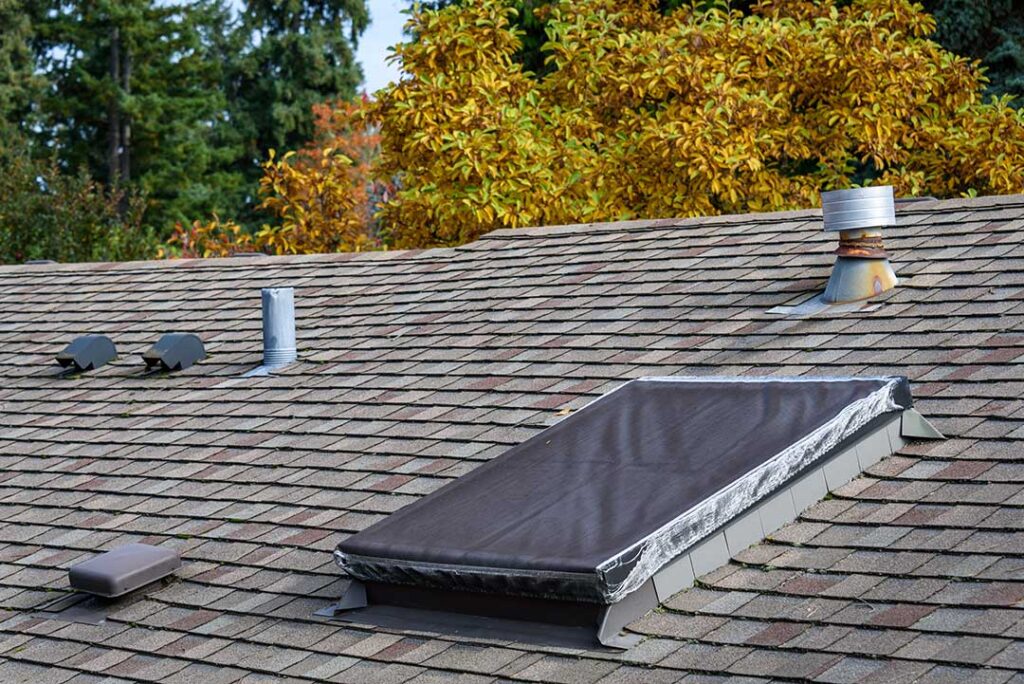
Shingle curling and cracking are common roof problems, but they do not always mean the entire roof needs replacement. The right response depends on the pattern, age, extent of the damage, and whether moisture has reached the roof deck or attic.
What do curling and cracked shingles indicate?
Curling shingles usually have edges or corners that turn upward, while cracked shingles may show splits across the surface, along the tabs, or near the edges. Both conditions reduce the roof’s ability to shed water and resist wind.
Curling can result from:
- Normal aging and loss of flexibility
- Repeated heating and cooling
- Poor attic ventilation
- Improper installation or nail placement
- Shingles that were stored or installed while distorted
- Wind lifting or mechanical damage
Cracking may be caused by long-term weather exposure, brittle asphalt, impact, installation stress, or movement in the roof deck. A few isolated cracks are different from widespread cracking across several roof slopes.
A roof in Niagara Falls, NY faces repeated seasonal changes, including snow, rain, freeze-thaw cycles, summer humidity, and strong temperature swings. Those conditions can gradually make older shingles less flexible. The local climate also makes it possible for snow to melt and refreeze during winter, increasing stress on roof materials and flashing. ([weather.gov](https://www.weather.gov/buf/BUFclifo?utm_source=openai))
How can a homeowner tell whether the problem is serious?
The pattern of damage is often more useful than the appearance of one shingle. A few curled corners on an older roof may be an early warning, while widespread curling, cracking, or missing granules suggests the roof system is losing weather resistance.
Look for:
- Curling or cracked shingles on multiple slopes
- Shingle tabs that are loose, lifted, or missing
- Bare areas where protective granules have worn away
- Dark streaks or exposed asphalt
- Sagging roof lines
- Water stains on ceilings or upper walls
- Damp insulation, musty odors, or visible light in the attic
- Granules collecting in gutters or at downspout outlets
A roof can leak before water stains appear indoors. Moisture may first affect the underside of the roof deck, insulation, or framing. If the attic is accessible, inspect it from the floor or a stable platform rather than walking on the roof. Do not climb onto a roof that is wet, icy, snow-covered, steep, or visibly unstable.
Can curled shingles be repaired?
Sometimes, but the repair depends on why the shingles curled and whether the material remains flexible. A small number of recently lifted shingles may be secured if the shingles are otherwise intact and the underlying roof components are sound.
Repair is less dependable when shingles are:
- Brittle and breaking during gentle movement
- Cracked across the exposed face
- Missing large amounts of granules
- Curling across an entire roof section
- Damaged around vents, chimneys, valleys, or roof edges
- Near the end of their expected service life
Adhesive or roofing cement may hold down a limited lifted area, but covering every curled edge with cement does not correct poor ventilation, deck movement, improper fastening, or widespread material failure. Repairs should follow the shingle manufacturer’s instructions, since incompatible materials or excessive cement can create additional problems.
Replacing individual shingles is more practical when the surrounding shingles still match reasonably well and the source of the damage has been corrected. Older shingles may be difficult to remove without breaking, especially during cold weather.
When is replacement more appropriate than patching?
Replacement becomes more likely when damage is widespread, recurring, or accompanied by moisture problems. A roof does not need to be replaced solely because one shingle is cracked, but repeated repairs on multiple areas may indicate that the roof covering has reached the later part of its service life.
A broader evaluation is warranted when:
- Curling appears on many shingles in more than one area
- Cracks are visible across several rows
- Shingles are losing their surface granules
- The roof has leaked in multiple locations
- The roof deck feels soft or appears stained
- Flashing is loose, corroded, or poorly sealed
- The roof has been covered with several layers of shingles
- Damage follows a major wind, hail, or falling-branch event
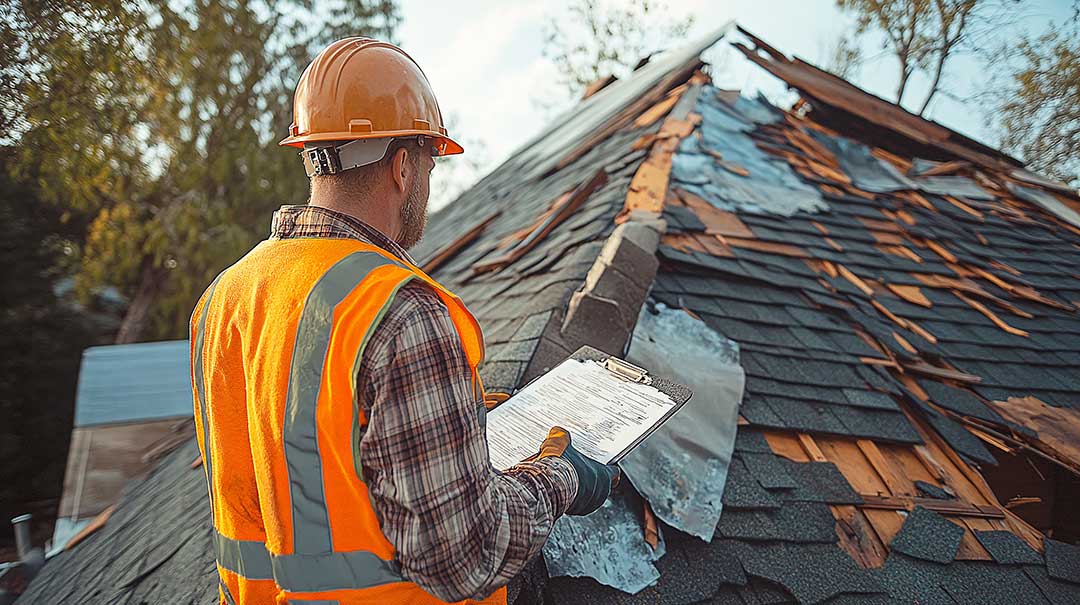
If the roof deck is wet, soft, or rotting, replacing only the shingles may leave the underlying cause in place. Water entry around valleys, wall intersections, chimneys, and plumbing vents also requires attention to the complete roof assembly rather than the visible shingle alone.
Could attic ventilation be causing the curling?
Poor ventilation can contribute to premature shingle deterioration, but ventilation should not automatically be blamed for every curled or cracked shingle. The attic needs a balanced path for air to enter through low intake areas and leave through properly located exhaust openings.
Insufficient or obstructed ventilation can allow heat and moisture to build up beneath the roof deck. That may contribute to wood movement, damp insulation, mold, deck deterioration, and shortened shingle life. Combining different exhaust vent types without a coordinated design can also interfere with airflow rather than improve it. ([asphaltroofing.org](https://www.asphaltroofing.org/plain-facts-about-buckled-shingles/?utm_source=openai))
Warning signs of an attic moisture or ventilation issue include:
- Frost or condensation on roof nails during cold weather
- Damp insulation
- Mold-like staining on roof sheathing
- Excessive heat in the attic during summer
- Bathroom or kitchen exhaust discharging into the attic
- Blocked soffit or intake vents
Improving ventilation without addressing air leaks from the living space may not solve the problem. Warm, moist household air should be properly exhausted outdoors, and insulation should not block intended intake paths.
Does cold weather make shingle damage worse?
Cold temperatures make asphalt shingles less flexible. Bending, lifting, or prying them during freezing weather can cause cracking, especially on older roofs. Shingles may also show temporary edge lifting after installation in cold conditions, sometimes called cold curl, as the asphalt contracts. ([asphaltroofing.org](https://www.asphaltroofing.org/recommendations-for-installation-of-asphalt-roofing-shingles-in-cold-weather/?utm_source=openai))
Avoid roof inspections that require walking on icy or brittle shingles. If a winter problem is causing active water entry, temporary interior protection can help limit damage while safer conditions are arranged. Place a container under a ceiling drip, move valuables away from the area, and document the location. Do not puncture a ceiling bulge; trapped water can fall unexpectedly when the surface is disturbed.
What should be checked after a repair or replacement?
The visible shingles are only one part of the roof system. A proper inspection should also consider:
- Underlayment beneath the shingles
- Drip edges at roof edges
- Flashing around penetrations and wall intersections
- Valleys and roof-to-wall transitions
- Fastener placement and exposure
- Ridge and intake ventilation
- Roof deck condition
- Gutters and drainage paths
After significant work, inspect the attic during the next heavy rain if it is safe to do so. Look for fresh dampness, staining, or daylight around penetrations. From the ground, check for new lifted edges, exposed fasteners, or debris in gutters.
The most useful response to curling and cracking is not simply covering the visible damage. Identify whether the cause is aging, weather exposure, installation, ventilation, moisture, or structural movement, then match the repair to the actual condition of the roof.
