
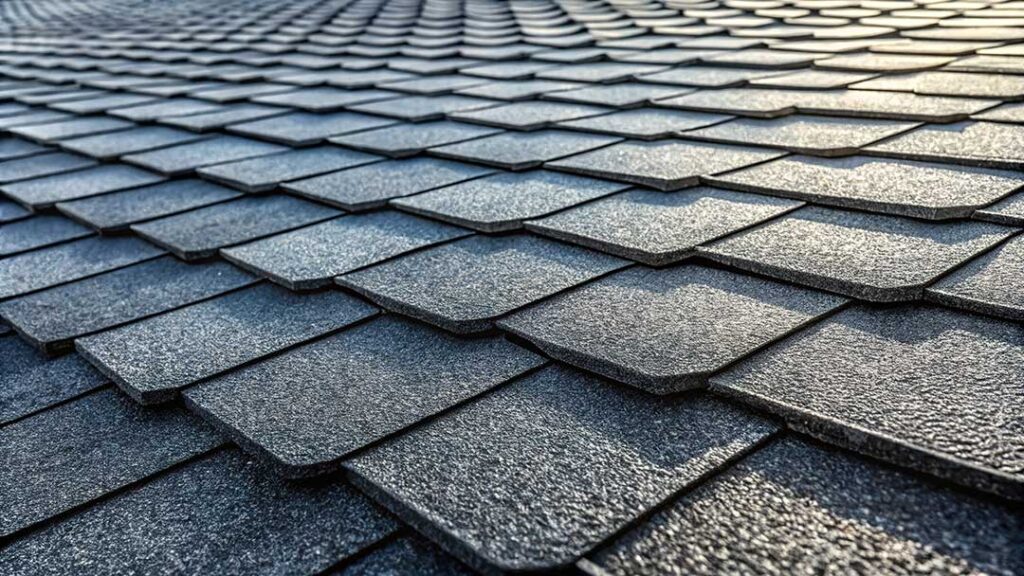
Roofing advice is often passed from one homeowner to another, but some common statements are incomplete, outdated, or simply wrong. Understanding the difference can help residents make safer decisions, avoid preventable damage, and recognize when a roof needs closer attention.
Does a roof really need to be replaced every 20 years?
Not necessarily. A roof’s service life depends on its materials, installation quality, ventilation, maintenance, weather exposure, and repair history.
A typical asphalt-shingle roof may last roughly 15 to 30 years, but that range is not a guarantee. A roof exposed to repeated freeze-thaw cycles, heavy snow, ice buildup, wind, and poor attic ventilation may deteriorate sooner. A well-maintained roof with good drainage and proper ventilation may perform longer.
Age is useful context, but it should not be the only reason to replace a roof. More meaningful warning signs include:
- Widespread curling, cracking, or missing shingles
- Repeated leaks in different areas
- Sagging roof sections or soft decking
- Granules collecting heavily in gutters
- Damaged flashing around chimneys, vents, or wall intersections
- Daylight visible through the roof deck from the attic
A roof that is 20 years old may still be serviceable, while a younger roof with storm damage or installation problems may need significant work.
Are roof leaks always easy to find?
No. The visible stain inside a house may be several feet away from the actual entry point.
Water can travel along roof decking, rafters, insulation, or wall cavities before appearing on a ceiling. A stain near a bathroom, for example, may be related to a vent penetration, flashing, an ice-dam problem, or a plumbing issue rather than the roof surface directly above it.
This is especially relevant in homes that experience snow and ice accumulation. Meltwater can move beneath shingles or behind flashing and enter small openings that remain hidden until interior damage appears.
A ceiling stain should not be painted over before the source is understood. Painting may hide discoloration temporarily while wet insulation, wood, or drywall continues to deteriorate.
Do new shingles eliminate the need for roof maintenance?
No. New roofing materials still require observation and basic upkeep.
Maintenance does not mean repeatedly walking across the roof. In fact, unnecessary foot traffic can damage shingles and increase fall risk. Safer maintenance usually involves checking visible areas from the ground, inspecting the attic, and keeping drainage components clear.
Useful seasonal checks include:
- Looking for loose or missing shingles after strong wind
- Removing leaves and debris from gutters and roof valleys when safely accessible
- Checking that downspouts discharge water away from the foundation
- Looking for staining, damp insulation, or musty odors in the attic
- Watching for new flashing gaps around roof penetrations
- Trimming branches that rub against the roof or drop heavy debris
In Niagara Falls, winter conditions can make small defects more serious. Water that enters a narrow opening may freeze, expand, and widen the damaged area. Spring is often a practical time to look for problems that developed during the cold season.
Does more attic insulation solve every roofing problem?
No. Insulation and ventilation perform different jobs.
Insulation slows heat transfer between the living space and the attic. Ventilation helps manage heat and moisture within the attic. Adding insulation without addressing blocked or inadequate airflow can allow moisture to remain trapped.
Poor attic conditions may contribute to:
- Damp insulation
- Mold or mildew growth
- Frost on roof framing during cold weather
- Premature shingle aging
- Ice dams along the eaves
- Rot in roof decking or structural wood
A properly functioning attic typically has a continuous air barrier between the home and attic, adequate insulation, and balanced ventilation. Adding vents at random is not always helpful. Ventilation changes should be evaluated as a system so that airflow is not short-circuited or concentrated in one area.
Are ice dams caused only by heavy snowfall?
No. Ice dams are usually caused by uneven roof temperatures, not snowfall alone.
An ice dam forms when heat from the attic warms part of the roof, causing snow to melt. The water runs toward a colder eave, freezes, and creates a ridge that can trap later meltwater. That trapped water may work beneath shingles and enter the roof assembly.
Snowfall can contribute, but the underlying factors may include:
- Heat escaping through the attic floor
- Inadequate insulation
- Air leaks around light fixtures, ducts, or attic access panels
- Uneven ventilation
- Roof areas with different sun exposure
- Gutters or eaves that collect ice and restrict drainage
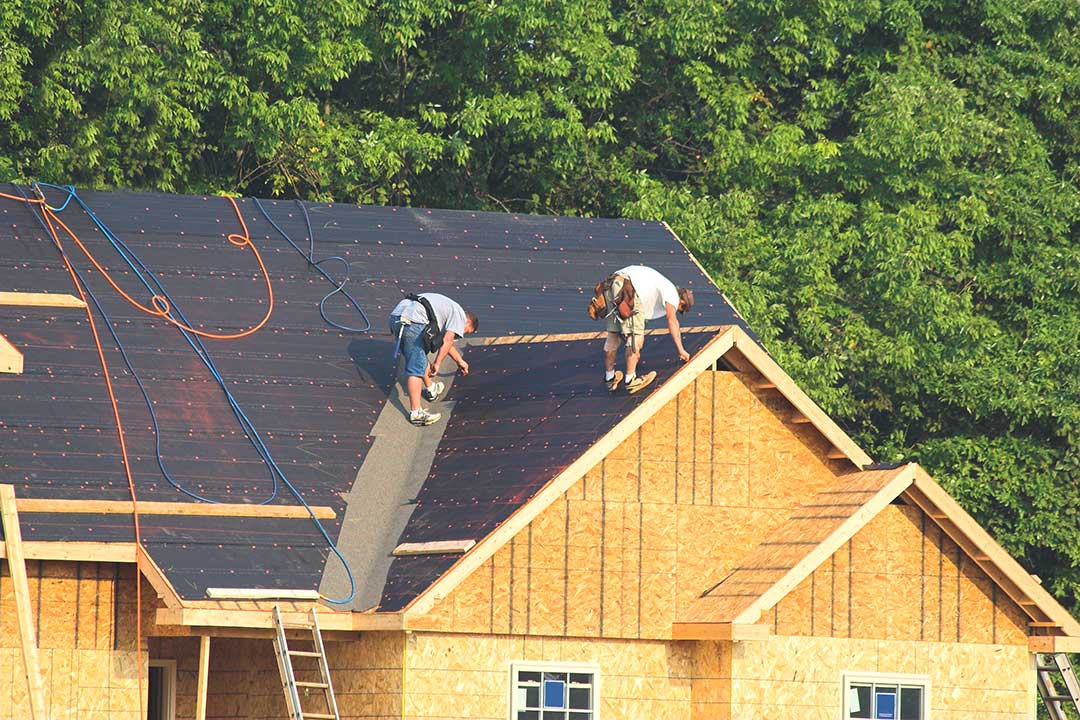
Removing snow from a roof may reduce the immediate load in certain circumstances, but it does not correct the heat-loss problem that helped create the ice dam. Roof raking, steaming, and other removal methods can also be hazardous or damaging if performed improperly.
Can a roof be judged by looking at the shingles from the ground?
A ground-level view is useful, but it cannot reveal every roofing problem.
Some damage is hidden beneath shingles or occurs at locations that are difficult to see from below. Flashing around chimneys, skylights, vents, and sidewalls may fail before the shingles look worn. A roof may also have sound-looking shingles over deteriorated decking.
Ground observation can still identify several warning signs:
- Shingles with irregular edges or raised corners
- Bare patches or visible dark underlayment
- Sagging lines
- Exposed fasteners
- Debris lodged in valleys
- Water marks on exterior walls or soffits
- Gutters filled with unusually large amounts of shingle granules
An attic inspection can add valuable information without requiring anyone to climb onto the roof. Look for damp wood, rusted nails, daylight, wet insulation, and stains that appear after rain or snowmelt.
Does every roof problem require complete replacement?
No. Some problems are limited and can be repaired, while others indicate that the roof system is nearing the end of its useful life.
A localized issue such as a damaged flashing section, a small number of missing shingles, or a failed vent boot may be repairable. Replacement becomes more likely when damage is widespread, leaks are recurring, the decking is deteriorated, or the remaining roofing materials are too brittle to work with safely.
The age and condition of the entire system matter. A patch on a severely worn roof may provide only temporary relief, while replacing an otherwise sound roof because of one isolated defect may be unnecessary.
Are all roof stains evidence of an active leak?
No. A stain indicates that moisture reached the material at some point, but it does not prove that water is entering right now.
The source may have been repaired, may occur only during wind-driven rain, or may result from condensation rather than a roof opening. Plumbing leaks, bathroom exhaust problems, and ice-related intrusion can also leave stains that resemble roof leaks.
The best way to understand a stain is to compare it with weather conditions, inspect the attic when safe, and monitor whether it changes. New discoloration, soft drywall, peeling paint, damp insulation, or a musty odor suggests that moisture may still be present.
What roofing information should homeowners document?
Clear records make recurring problems easier to understand. Useful details include the date a leak was noticed, recent weather conditions, the room affected, photographs of interior staining, and any visible exterior changes.
For a home in a cold, snowy climate, it is also helpful to note whether the problem appeared during snowfall, a rapid thaw, heavy rain, or strong wind. Patterns can point toward different causes.
Roofing decisions are more reliable when based on observed conditions rather than a single rule about age, appearance, or repair history. A roof is a system: shingles, underlayment, flashing, decking, ventilation, insulation, gutters, and drainage all influence how well it protects the home.
