
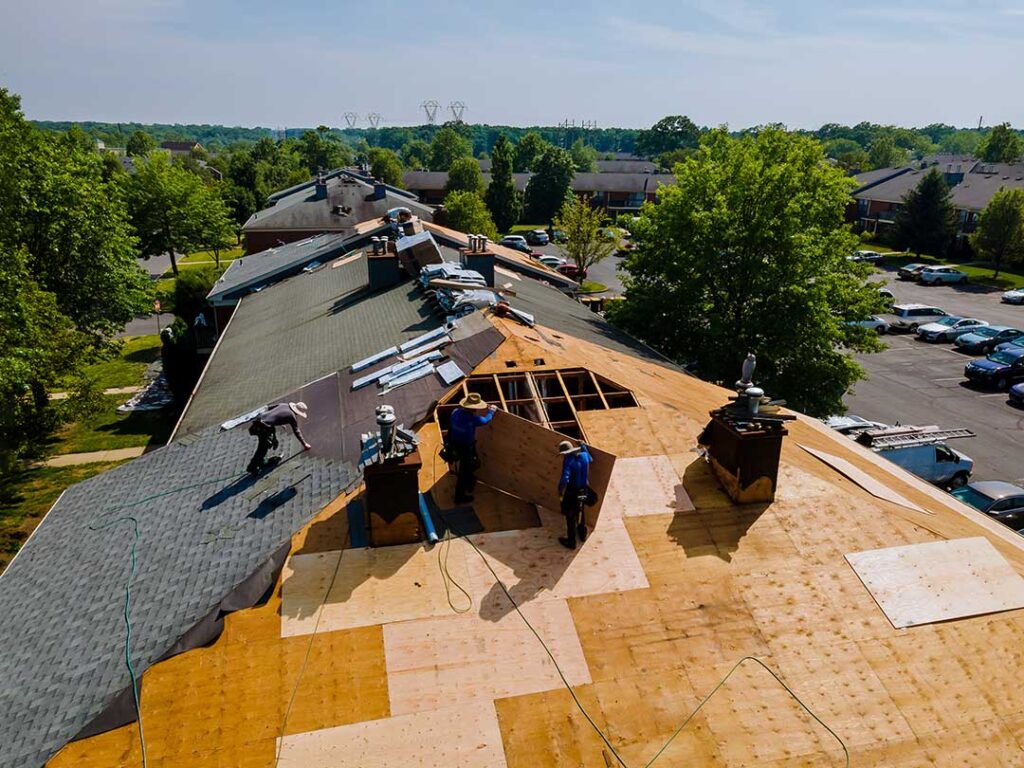
Does sun exposure really damage a roof?
Yes. Repeated exposure to sunlight can gradually weaken roofing materials, especially through ultraviolet radiation and daily heating and cooling. The effects are usually slow, but they can shorten the useful life of shingles, dry out exposed components, and make existing roof problems easier to notice.
For residents of Niagara Falls, sunlight is only one part of the roof’s environment. A roof may also face heavy snow, freeze-thaw cycles, wind, moisture, and ice buildup. Sun-related aging can interact with those conditions, making routine observation especially useful.
How does ultraviolet light affect shingles?
Ultraviolet, or UV, radiation breaks down the chemical compounds that help roofing materials remain flexible and weather-resistant. Asphalt shingles are particularly affected because the surface is exposed year after year.
Common signs of UV-related aging include:
- Faded or uneven shingle color
- Loss of surface granules
- Brittle or cracked shingle edges
- Curling or lifting tabs
- Exposed areas of asphalt or fiberglass mat
- Small bare patches near roof edges, ridges, or heavily exposed slopes
Color fading alone does not always mean a roof is failing. Some shingles naturally change appearance as they age. However, fading combined with granule loss, cracking, or brittleness indicates that the roof deserves closer attention.
Granules protect the asphalt coating from sunlight and weather. As they loosen, the underlying material receives more direct exposure, which can accelerate deterioration.
Why do some roof slopes age faster than others?
Roof surfaces do not receive the same amount of sunlight. A slope with a clear view of the sky may age faster than a section shaded by trees, nearby structures, or a taller portion of the same roof.
The most exposed slope may show:
- More color change
- Faster granule loss
- Earlier cracking or curling
- Greater surface temperature changes
- More visible wear around vents and flashing
This uneven aging can make a roof appear to be in better condition than it really is. A shaded slope may look relatively healthy while a more exposed slope has already become brittle.
Roof pitch also matters. Steeper surfaces shed water and snow more quickly, but they may receive strong, direct sunlight for longer periods. Lower-slope areas can remain damp after weather events, allowing moisture-related problems to develop alongside sun damage.
How does heat from the sun affect roofing materials?
Sunlight raises the temperature of roof surfaces, sometimes much higher than the surrounding air. The roof then cools after sunset or during passing weather. These repeated temperature changes cause materials to expand and contract.
Over many years, this movement can place stress on:
- Shingle seals
- Flashing around chimneys, vents, and skylights
- Pipe boots
- Caulking and roof cement
- Fascia and trim
- Underlayment near exposed edges
A single hot day is not usually the cause of a roof failure. The concern is cumulative movement over many seasons. In a climate with cold winters and frequent temperature swings, heat-related expansion can combine with freezing conditions to create small openings that later allow water infiltration.
Can sunlight cause roof leaks?
Sun exposure can contribute to leaks, but it is rarely the only cause. UV damage may make shingles brittle, weaken seal strips, or create openings around flashing. Once those protective details deteriorate, rain, melting snow, and wind-driven moisture have easier paths into the roof assembly.
Leaks may not appear directly below the damaged area. Water can travel along roof decking, rafters, insulation, or interior framing before becoming visible on a ceiling or wall.
Warning signs include:
- Brown or yellow ceiling stains
- Peeling paint near upper walls
- Damp attic insulation
- Musty odors
- Daylight visible through roof decking
- Water marks near vents or chimney areas
- Drips after rain or during snowmelt
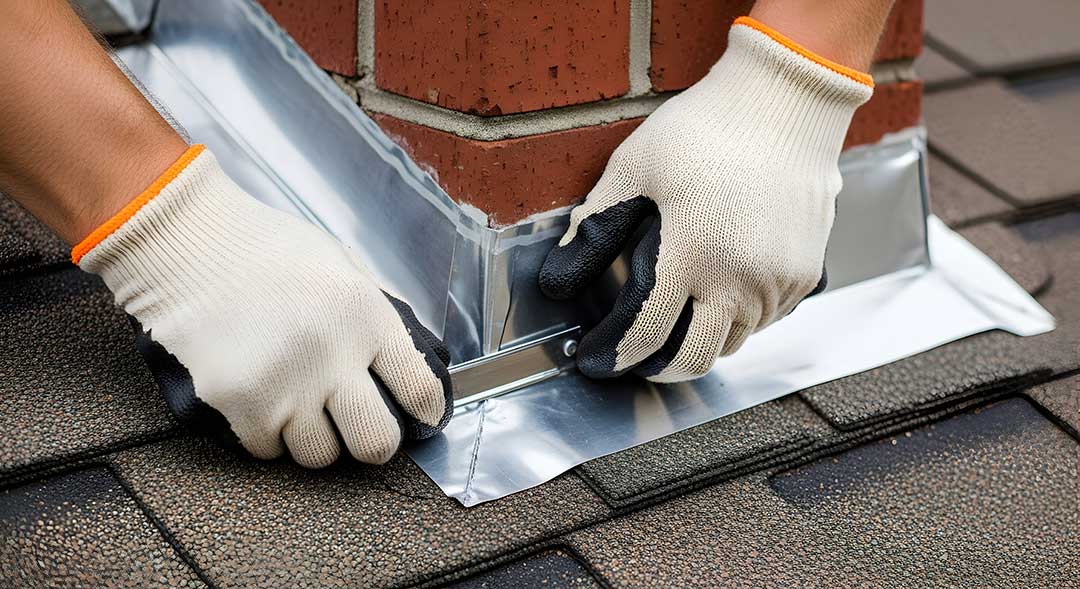
A roof can also have significant sun damage without leaking yet. Waiting for an interior stain may mean the roofing system has already experienced prolonged exposure to moisture.
Does attic ventilation reduce sun-related roof damage?
Proper attic ventilation can help reduce excessive heat buildup beneath the roof deck, although it cannot prevent UV exposure on the shingles. Ventilation works by allowing warm, moist air to leave the attic and replacing it with outdoor air through an appropriate intake and exhaust arrangement.
Balanced ventilation may help:
- Reduce attic temperatures
- Limit moisture accumulation
- Decrease condensation during cold weather
- Reduce stress on roof sheathing
- Help maintain more stable roofing conditions
Ventilation is not a simple matter of adding a roof vent. Too much exhaust without adequate intake air can reduce performance, and blocked soffit vents can prevent air from moving as intended. Insulation, air sealing, and ventilation work together as part of the roof system.
Do light-colored roofs stay cooler?
Generally, lighter-colored roofing surfaces absorb less solar heat than darker surfaces. This can reduce surface temperatures during sunny weather, particularly on roofs with limited shade.
However, color is only one factor. Roof pitch, attic insulation, ventilation, surrounding shade, and the roofing material itself also affect heat buildup. A light-colored roof can still age if it has poor ventilation or receives intense, unobstructed sunlight.
A darker roof is not automatically defective. Many roofs perform adequately for years with darker materials. The more useful question is whether the roof system is properly installed, adequately ventilated, and showing signs of deterioration.
How do trees affect sunlight and roof aging?
Trees can protect a roof from direct sunlight, but shade does not always improve roof performance. Branches may scrape the surface, leaves can collect in valleys, and dense shade can slow drying after rain or snowmelt.
A roof beneath overhanging branches may experience both reduced UV exposure and increased moisture retention. That combination can encourage moss or algae growth, especially in areas that remain damp.
Practical maintenance includes keeping roof valleys, gutters, and drainage paths clear of accumulated leaves and twigs. Branches that rub against shingles can cause mechanical wear independent of sunlight.
What should local homeowners look for after summer?
A visual check from the ground or a safe window view can reveal changes without requiring anyone to walk on the roof. Look for missing or displaced shingles, unusual bare areas, excessive granules in gutters, damaged flashing, and differences between roof slopes.
After a period of strong sun followed by heavy rain or temperature changes, inspect upper-floor ceilings and attic spaces for new moisture marks. In Niagara Falls, the transition from warm weather into colder conditions can expose weaknesses that were less noticeable during summer.
Roof walking is risky and can damage brittle shingles. Steep sections, wet surfaces, and areas near roof edges should not be accessed without appropriate safety equipment and experience. If structural damage, active leaking, or an unsafe surface is present, evaluation should be handled by a qualified roofing professional.
Can sun damage be repaired, or does the roof need replacement?
The answer depends on how widespread and advanced the deterioration is. An isolated damaged shingle, failed flashing point, or small exposed area may be repairable. Widespread brittleness, extensive granule loss, repeated leaks, and deteriorated underlayment suggest a larger roof-system problem.
Repairs are more likely to be effective when the surrounding materials remain flexible and compatible with the repair. Patching a single location on an aged, sun-damaged slope may not address nearby weak areas.
The most useful assessment considers the entire roof: surface condition, flashing, drainage, attic moisture, ventilation, roof decking, and the age and history of the system. Sunlight does not act alone, but it can reveal how well the roof has handled years of weather exposure.
