
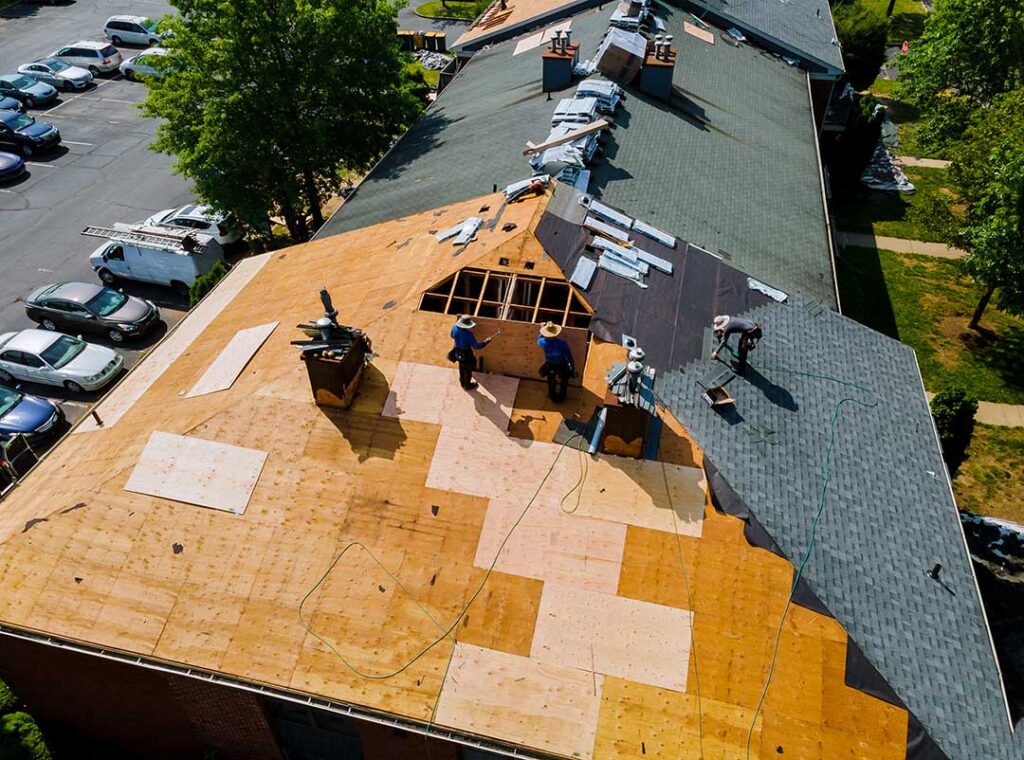
How Does Your Roof Affect Energy Efficiency?
The roof is a major factor in a home's energy performance, especially in Niagara Falls, NY, where the weather shifts from bitterly cold winters to hot, humid summers. The way a roof is designed, its color, materials, and maintenance all impact how well your home stays warm in winter and cool in summer.
Many local residents are surprised to learn that heat loss and gain through the roof can account for a significant portion of heating and cooling costs. Choosing the right roofing features and taking care of existing roofs can reduce energy usage and help manage utility bills.
What Roofing Materials Offer the Most Insulation?
Roofs are built from various materials, each with different energy characteristics. In Niagara Falls, homes often have asphalt shingles, metal, slate, or sometimes newer synthetic options. The material alone isn’t the only factor, but it does play a role in insulation and heat reflection.
- Asphalt shingles: Common in the area, they offer moderate insulation but can absorb summer heat. They function best with quality underlayment and adequate attic insulation.
- Metal roofs: Increasingly popular for their longevity and ability to reflect sunlight, especially when finished in lighter colors.
- Slate and tile: Durable and long-lasting; they provide good insulation but may be more costly to install or repair.
- Synthetic materials: Some newer products are engineered for higher energy performance, often with better insulating properties than traditional options.
Local climate demands that the roofing system work hand-in-hand with attic insulation. Without well-installed insulation beneath the roof, even the best shingle or metal roof loses much of its effectiveness during periods of extreme cold or heat.
Can Roof Color and Shade Make a Difference?
Yes, the color and finish of your roof can significantly affect home temperatures. Lighter colors reflect more sunlight, while darker shades absorb more heat.
In a city like Niagara Falls, where summers can be warm but winters are often long and snowy, there’s a balance to consider:
- Light-colored roofs reflect sunlight, which can help keep attic temperatures down in summer.
- Darker roofs help melt snow more quickly in winter, reducing the risk of heavy snow buildup that leads to ice dams.
- Some modern roofing materials come with reflective coatings that offer year-round benefits.
Choosing the right shade for your specific home and landscape (including tree coverage) can help balance energy demands across the seasons.
How Important Is Roof Ventilation in Energy Efficiency?
Roof ventilation is often overlooked but plays a crucial role in both comfort and cost. Proper ventilation lets trapped heat and moisture escape from the attic, preventing:
- Excessive summer heat buildup, which can force air conditioners to work harder
- Winter ice dam formation, caused by warm air melting snow unevenly on the roof
Most homes in Niagara Falls use a combination of soffit, ridge, or gable vents to create airflow. An attic that feels stuffy or noticeably warmer than outdoor temperatures in summer—even with good insulation—often means ventilation isn’t working as intended.
What Role Does Insulation Play?
Even the highest quality roof will underperform if attic insulation is lacking. In Niagara Falls, where homes face both frigid winters and muggy summers, having sufficient attic insulation helps stabilize indoor temperatures and reduces load on both heating and cooling systems.
The U.S. Department of Energy recommends attics in the region have R-49 to R-60 insulation. In older homes, it’s common to find insulation levels below this standard, which impacts energy efficiency immediately. Upgrading insulation is usually one of the most cost-effective ways local households can see real improvements.
Are There Local Weather Concerns That Affect Roofing Energy Performance?
Roofs in Niagara Falls contend with several climate-specific issues:
- Heavy snow and ice: Weight, moisture, and melting/refreezing cycles can affect insulation and create ice dams. Roofs that retain heat unevenly can worsen these problems.
- Wind: Strong gusts, especially near the falls and open areas, can lift shingles or damage roof edges, impacting insulation and exposing gaps for energy loss.
- Humidity: Summers bring muggy air, which can get trapped in poorly ventilated attics, leading to mold and reducing insulation’s effectiveness.
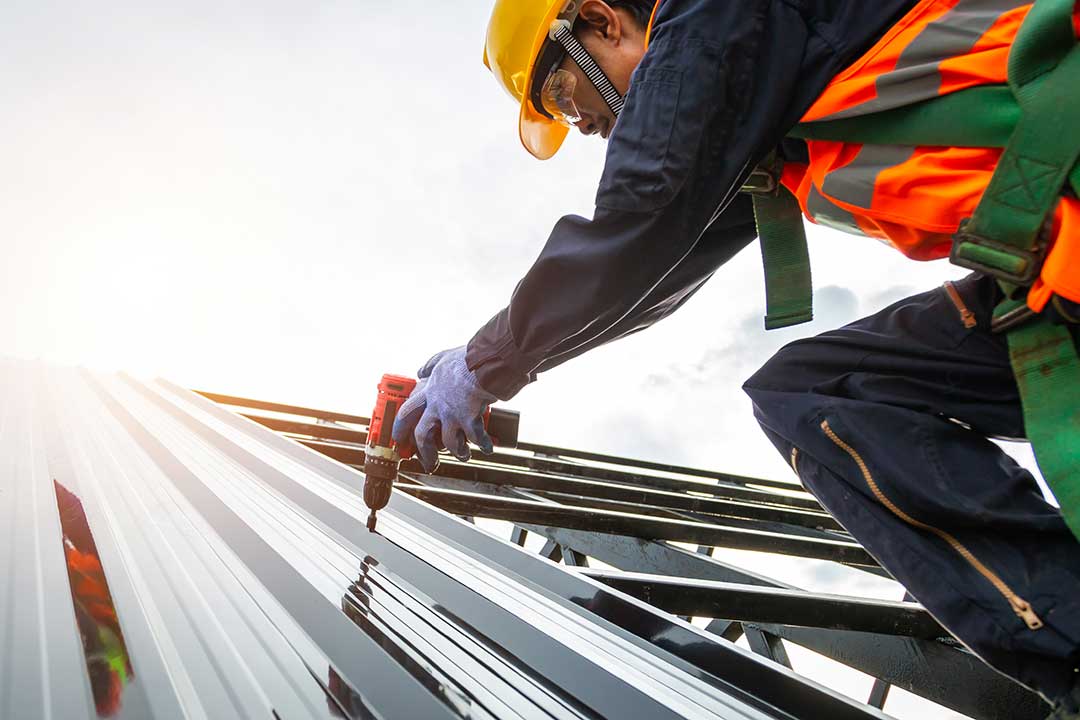
Regular inspections after major weather events help spot issues before they contribute to higher energy bills.
What Are Common Myths About Roofing and Energy Savings?
A few misconceptions persist among residents:
- Myth: "A new roof automatically means lower energy bills." Reality: Unless underlying insulation and ventilation issues are addressed, a new roof often has minimal impact on energy use.
- Myth: "All cool roofs are only for hot climates." Reality: In a climate with both hot and cold extremes, the balance between reflective and heat-absorbing properties is important.
- Myth: "Ice dams only signal a roofing issue." Reality: They usually also point to insufficient insulation and poor ventilation, both of which impact energy efficiency.
What Steps Can Residents Take to Improve Their Roof’s Energy Performance?
Practical actions for area homeowners include:
- Check attic insulation depth and type; upgrade if needed.
- Ensure all attic and roof vents are open, clear, and correctly installed.
- Address small leaks or missing shingles promptly to avoid hidden energy losses.
- Consider lighter or more reflective shingle colors if roof replacement is planned, but weigh the trade-offs for winter performance.
- Schedule roof and attic inspections before and after major weather seasons to catch developing insulation or ventilation issues early.
Small changes—such as sealing gaps, improving airflow, or topping up insulation—can make a visible difference in comfort and bills in most Niagara Falls homes, even if the roof itself isn’t new.
