
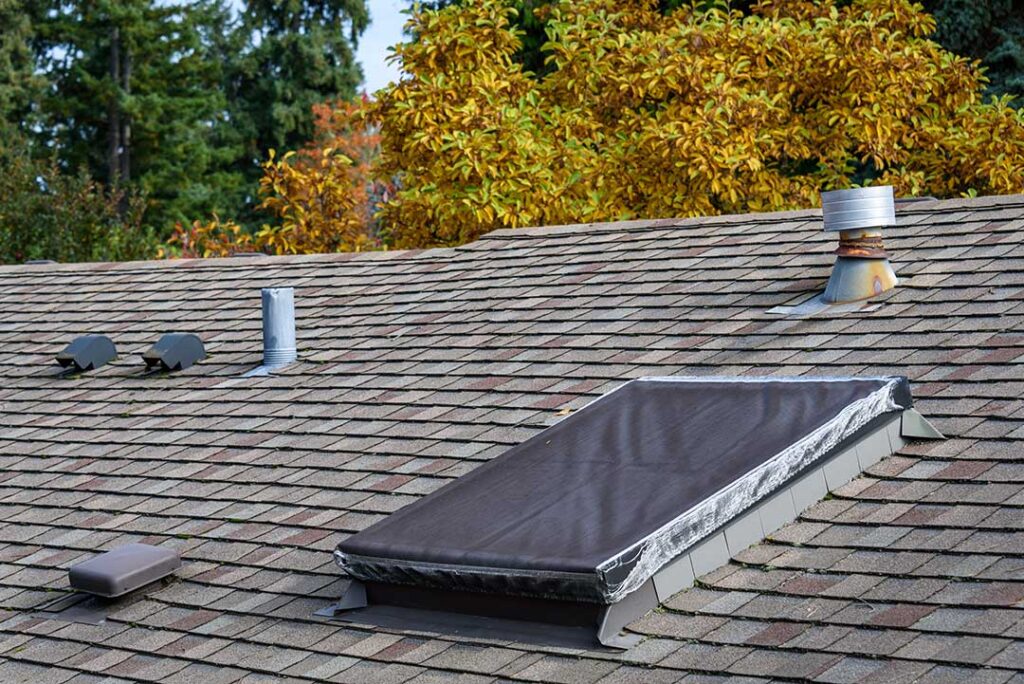
Why Consider a Roof Inspection in Niagara Falls, NY?
A professional roof inspection gives homeowners peace of mind about the overall condition of their roof and highlights potential problems before they become costly repairs. In the distinct climate here, regular inspections help area households prepare for weather events unique to Niagara Falls, such as frequent freeze-thaw cycles and heavy lake-effect snow.
What Happens During a Roof Inspection?
A typical inspection involves a visual review of all accessible roof components, both exterior and interior. Inspectors look for signs of age, weather damage, and installation issues that may not be visible from the ground.
Locally, inspectors are especially vigilant for:
- Ice dam-related damage, which is common due to fluctuating winter temperatures
- Water-stained ceilings or damp attic insulation caused by snow or rain infiltration
- Shingle wear from high winds and storms, which occur throughout the year in the region
Most inspections follow a step-by-step process:
1. Examining the roof surface for missing, curled, or damaged shingles
2. Checking flashing around chimneys, vents, and skylights for deterioration
3. Inspecting gutters and downspouts for clogs, rust, or improper drainage
4. Assessing the attic or uppermost ceiling for moisture, mold, visible leaks, or daylight coming through
How Long Does an Inspection Take?
A thorough review of an average single-family home typically takes between 30 minutes to 2 hours. The timing will depend on roof size, pitch, accessibility, and weather conditions on the day of inspection. Inspections may take longer during winter months if snow or ice must be safely cleared for access.
Is the Attic Included in the Inspection?
Yes, unless access is physically restricted, the attic is a key area in a complete roof assessment. In Niagara Falls, inspectors pay close attention to:
- Signs of past or present leaks, including stained wood or wet insulation
- Ventilation quality, as poor ventilation can worsen ice dam formation and cause mold
- The integrity of decking, trusses, and insulation
Homeowners sometimes overlook the attic, thinking a roof inspection only involves the outer surface. However, moisture or heat build-up in this area is often a sign of roofing issues that aren’t yet visible from above.
What Tools and Methods Are Used?
While much of the inspection is visual, roof inspectors often use additional tools to make assessments more accurate:
- Moisture meters to detect hidden wet spots in decking or insulation
- Binoculars for hard-to-reach/high roof sections
- Drones or cameras (where allowed and practical) for photographic documentation
It’s common for inspectors to use ladders to reach the roof, but steep or heavily snow-laden roofs might require alternative viewing methods for safety.
Which Problems Are Most Commonly Found in the Area?
Due to the region’s weather, some issues are more prevalent:
- Granule loss or shingle deterioration from repeated freeze-thaw cycles
- Blown-off shingles after strong wind events
- Metal flashing corroded by frequent moisture exposure
- Compromised gutters and downspouts, especially when gutters fill with ice or debris
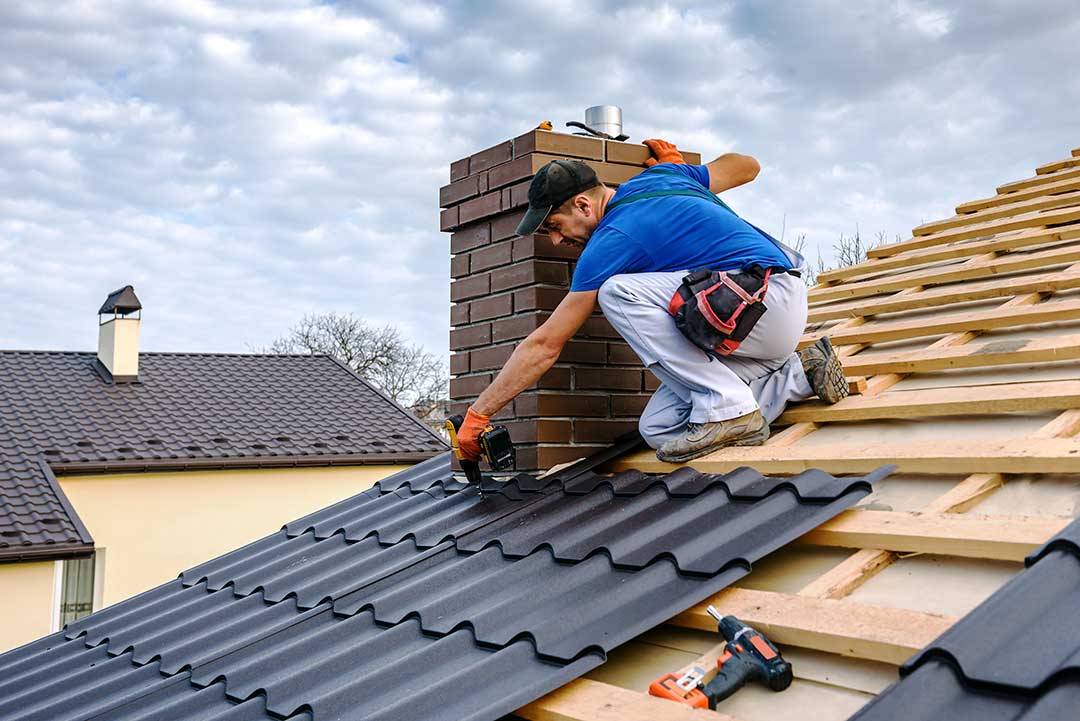
Local homes often show wear faster than properties in milder climates—an important consideration for those comparing online advice from other regions.
What Does the Inspector Report Include?
A detailed inspection report usually covers:
- The age and condition of roofing materials
- Noted vulnerabilities or areas needing future monitoring
- Immediate repairs needed to maintain weather resistance
- Photographs of problem spots where available
Some reports include guidance for simple preventative maintenance tasks homeowners can manage themselves, such as gutter cleaning or trimming overhanging branches.
Can Roof Inspections Reveal Insurance or Warranty Issues?
Yes, especially if a roof is nearing the end of its typical lifespan (about 15-30 years for asphalt shingles) or has been through a recent storm. Inspections may find storm damage that could be eligible for insurance claims, but they also sometimes identify installation or material problems that affect warranties.
Local residents may want to check the specifics of their policy or warranty documents—some require periodic inspections and maintenance for coverage to remain valid.
Are Professional Inspections Always Necessary?
While many residents can spot obvious problems like missing shingles or clogged gutters, only a thorough inspection will reveal issues inside attics or under roofing materials. Older homes or properties that have experienced recent storms should be prioritized for detailed checks. In cases involving structural safety concerns—such as sagging decking, electrical wiring exposed to moisture, or significant mold growth—seeking a knowledgeable inspection is strongly advised.
Common Misconceptions
Several local homeowners believe a new roof doesn’t need to be checked for years. In reality, even a recently installed roof in Niagara Falls can be affected by wind-driven rain, hail, or snow accumulation. Regular checks help document conditions and establish a history that’s useful if problems arise later.
Another misconception is that roof inspections are only for roofs with visible leaks. Many issues go unnoticed until they become major and more expensive to fix. Routine, proactive checks are especially important in a climate with dramatic seasonal shifts.
