
What Is a Roof Warranty, and Why Does It Matter?
A roof warranty is a promise, usually written, that your roofing materials or installation will perform as specified for a certain period, or that defects will be addressed. For residents of Niagara Falls, understanding what these documents actually cover—and what they don’t—is key, especially considering seasonal extremes like heavy snowfall and rapid freeze-thaw cycles.
There are two common types of roof warranties: those provided by the manufacturer (covering products) and those provided by installers (covering the labor and workmanship). Not all warranties protect against the same situations.
What Do Manufacturer Warranties Typically Cover?
Manufacturer warranties usually apply to the shingles or roofing materials, not the way they are installed. These warranties typically cover defects in the materials themselves, such as premature cracking, excessive granule loss, or other manufacturing flaws.
For example, if your shingles were found to curl or disintegrate well before their expected lifespan, a valid manufacturer warranty might supply replacement materials. However, most do not include the cost of labor unless specifically stated, and may not cover issues resulting from improper installation, high winds, or roof leaks from ice damming—common during local winters.
What About Workmanship or Installation Warranties?
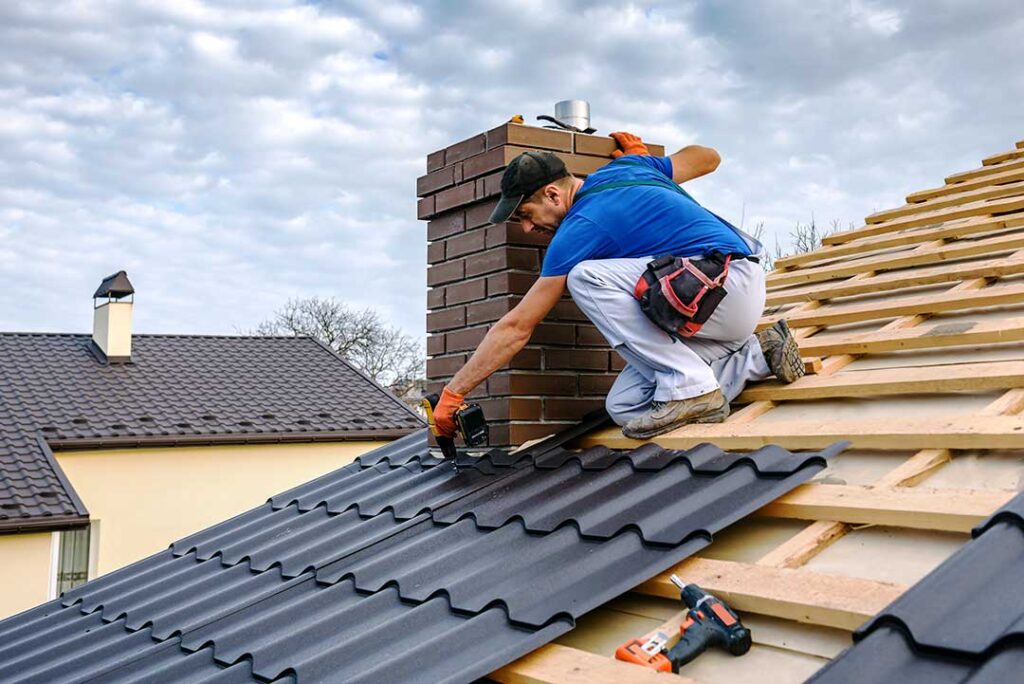
Workmanship warranties come from the installation team or contractor and cover mistakes made during the installation process. These warranties vary widely: some may last a couple of years, others longer.
If a new roof in the area begins leaking due to poor shingle alignment or inadequate flashing installation, a workmanship warranty should address those errors. Still, if storms cause damage or a separate trade causes roof issues (like improperly installed satellite dishes), these are not usually covered.
Residents should always ask for clear documentation of the workmanship warranty, including its term and any limitations.
Common Exclusions Residents Often Overlook
Roof warranties, whether manufacturer or workmanship, commonly exclude:
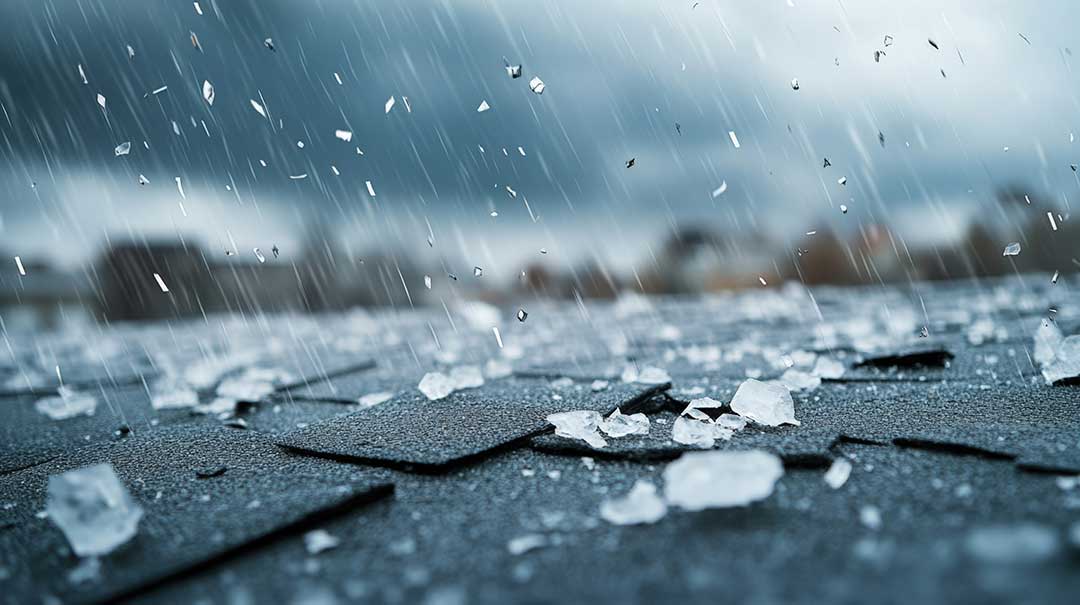
- Storm, hail, and wind damage
- Leaks from ice dams (especially relevant in the city’s winter seasons)
- Poor attic ventilation or insulation issues
- Roof alterations after the original installation
- Improper maintenance or roof cleaning using harsh tools
It’s a frequent misconception in the community that all roof issues are covered for the full stated length. In reality, most warranties narrow coverage to specific material failures, and not to damage from weather events or neglect. Always review the fine print and clarify any exclusions, especially in light of local climate conditions.
How Long Do Roof Warranties Last?
A typical manufacturer warranty spans 20 to 50 years, depending on the material and brand. Some offer "lifetime" coverage, but this often refers only to the original owner and may reduce in coverage over time.
Workmanship warranties, on the other hand, are generally shorter—anywhere from 1 to 10 years is common. Area residents should check terms carefully, as coverage may decrease or become void if the property changes hands, or if recommended maintenance is skipped.
What Actions Can Void a Roof Warranty?
Neglecting required maintenance, modifying the roof (solar panels, new vents), or failing to address attic ventilation can void warranty coverage. Some warranties also require that only approved materials or accessories are used during repairs.
In Niagara Falls, winter ice damming and heavy snow make it especially important to avoid improper removal techniques, such as chopping or using salt-based products, as this can damage shingles and compromise coverage.
Always request clear maintenance guidelines and keep records of any inspections or roof service, in case proof is needed later.
Should Local Residents Register Their Warranty?
Many manufacturers require product registration after installation to activate warranty coverage. This sometimes involves sending serial numbers or purchase details. Without this step, some warranties remain inactive.
Double check the process after a roofing project wraps up—missing registration can mean losing out on future protection, and manufacturer representatives may decline claims without it.
What Questions Should Be Asked Before Assuming a Roof Is Covered?
Before relying on any warranty, local homeowners should find answers to:
- Is the warranty transferable if you sell your home?
- What maintenance is required, and at what intervals?
- Does the warranty require certified inspectors or contractors?
- Are there fees for claims processing, material upgrades, or labor?
- How are warranty claims handled if the original installer is no longer in business?
Making the effort to clarify these questions can help avoid future surprises, especially given the range of home styles and roof types in the local housing stock.
What Steps Help Residents Get the Most from Their Roof Warranty?
Start by storing all warranty documents and reading them closely. Mark maintenance calendar reminders if the warranty requires regular inspections or upkeep.
If experiencing problems, take clear photos and document conditions right away. If an issue appears during severe weather, record the timing, as it may help distinguish between a warranted flaw and storm damage.
When in doubt, review warranty paperwork and reach out to the manufacturer or warranty issuer for details before making repairs. Acting quickly and within guidelines helps support the validity of any claim.
