
What Is Ice Damming?
Ice damming is a winter roofing problem where ice builds up along the edges of a roof, stopping melting snow from draining off properly. In Niagara Falls, NY, freeze-thaw cycles and heavy snow accumulation create ideal conditions for this issue. As snow melts from the warmer upper sections of a roof and refreezes at the overhangs, it can form a wall of ice, trapping water behind it. This situation can lead to water seeping under roof shingles and leaking into the home.
Why Does Ice Damming Happen in This Area?
Frequent temperature fluctuations paired with substantial lake-effect snowfalls make ice dams especially common in the city. Roofs with poor insulation or inadequate ventilation are particularly at risk since they allow heat to escape, melting snow unevenly. Older homes in Niagara Falls may have less efficient insulation, increasing the likelihood of ice dam formation.
What Damage Can Ice Damming Cause?
Once an ice dam has formed, the trapped water can start to flow under shingles. Over time, this moisture can:
- Soak into attics, causing insulation to lose effectiveness
- Lead to ceiling stains or leaks inside the house
- Encourage mold growth in hidden areas, posing health concerns
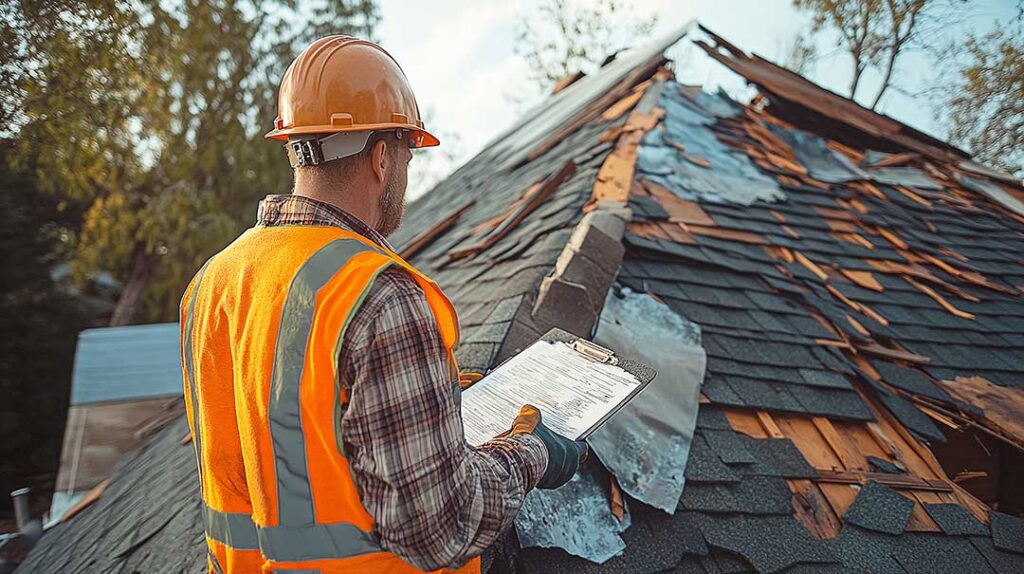
- Damage gutters, shingles, and even cause rotting to roof decks
These issues can be expensive to address, so understanding prevention is particularly valuable for area households.
How Do You Recognize Signs of Ice Damming?
Early detection helps to minimize roofing and interior damage. Common signs local residents may notice include:
- Thick ridges of ice along the eaves or gutters
- Icicles forming from the edge of the roof (especially large ones)
- Water stains on ceilings or inside walls (often near exterior walls)
- Warping or bubbling paint where leaks are present
Spotting these symptoms soon after a snowstorm or a period of above-freezing temperatures can help households act before indoor damage worsens.
What Preventive Steps Are Effective?
Effective prevention of ice dams starts with reducing the amount of heat that escapes into the roof space, combined with keeping gutters clear so melting snow can safely drain.
1. Improve Attic Insulation
Good insulation keeps heat inside the home and maintains a cold roof surface. Homes in Niagara Falls should have attic insulation rated to local climate needs. Fiberglass batts or blown-in cellulose are common solutions. Pay extra attention to areas near the eaves, as inconsistency can allow warm air to leak.
2. Ventilate the Attic Space
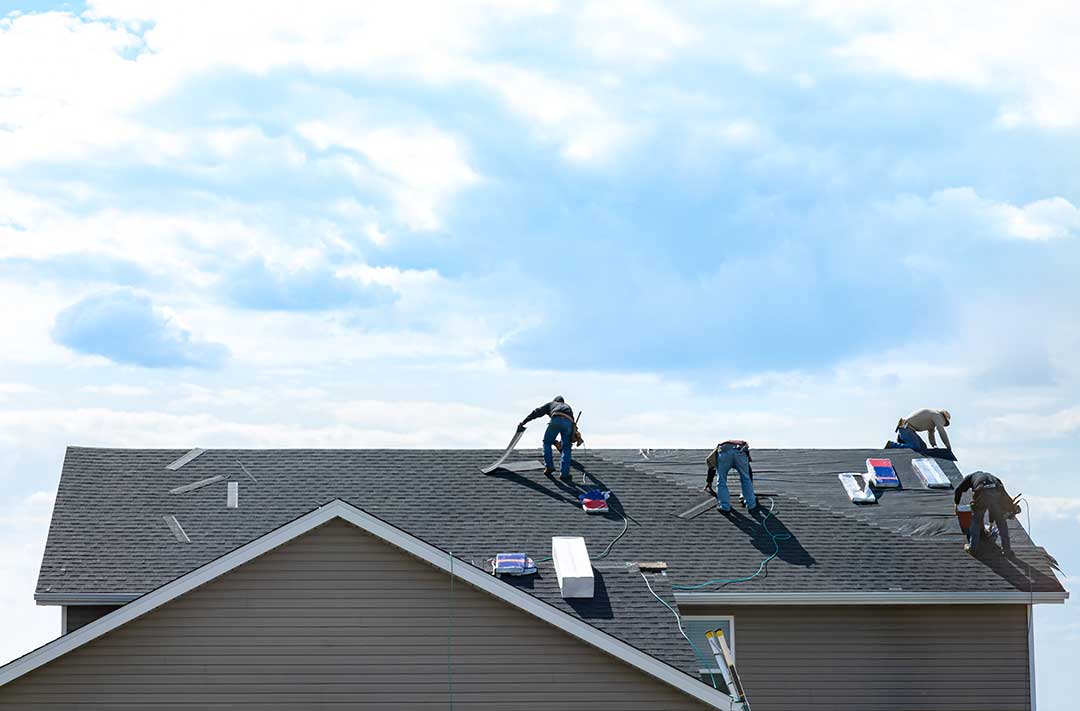
Ventilation draws cold air into the attic and lets warm air escape, keeping the roof at a more uniform temperature. Look for soffit, ridge, or gable vents that are unobstructed. Proper airflow helps reduce thawing and refreezing cycles.
3. Seal Air Leaks
Any gaps where warm air escapes from living areas into the attic (such as around plumbing vents, recessed lighting, or attic hatches) should be sealed with caulk or weatherstripping. Don’t overlook small holes made by cables or pipes—these can collectively contribute to temperature differences.
4. Keep Gutters and Downspouts Clear
When leaves, branches, or ice clog gutters, melting snow has nowhere to go, increasing the risk of water seeping under shingles. Remove debris before winter and check after storms. Some households also use gutter guards to reduce blockage.
5. Remove Snow Promptly (When Safe)
If safe to do so, use a roof rake with a long, telescoping handle to clear excess snow from the edges of your roof after heavy storms. This can help prevent build-up, especially during winters with frequent snow in the region. Never climb onto an icy roof—use tools from the ground whenever possible.
Are Heat Cables or Ice Melt Products a Good Option?
Heat cables, sometimes called heat tape, are electrical wires installed along roof edges to help prevent ice formation. While they can protect especially trouble-prone areas, they add ongoing costs and should be installed carefully to avoid fire hazards. Chemical ice melt products can help in emergencies, but selecting one that's safe for roofing materials and nearby landscaping is important. Overreliance on either method usually signals underlying insulation or ventilation problems that may still need attention.
Can Landscaping or Home Design Affect Ice Damming?
Local households sometimes overlook how landscaping or roof design impacts snow accumulation. Homes with large overhangs or valleys where snow can pile up may see more frequent dams. Trees overhanging the roof can drop leaves and debris into gutters even in winter. Observing where ice forms each year can point to areas needing attention.
What Are Some Common Misconceptions?
One widespread myth is that adding roof ventilation alone will stop dams. In reality, both insulation and ventilation need to work together. Another misconception is that icicles always mean a problem; small icicles may be harmless, but large quantities or thick ice at the eaves are causes for concern.
When Is Professional Help Necessary?
Most homeowners can address basic insulation, ventilation, and snow removal. However, situations involving persistent leaks, attic mold, or structural damage—like bowing ceilings or severely warped shingles—call for expert evaluation. Roof work during icy conditions also poses safety risks, and local building codes may have specific requirements for repairs or upgrades.
