
Why Should Niagara Falls, NY Residents Prepare Roofs for Hurricane Season?
While Niagara Falls isn’t commonly struck by direct hurricanes, severe windstorms and heavy rain swept up from significant hurricanes further south can still create hazardous conditions. Roofs in the city are exposed to powerful gusts, wind-driven rain, and falling debris, which can cause leaks and structural damage if not properly prepared. Ensuring your roof is storm-ready not only helps prevent water intrusion and costly repairs but also protects your home’s interior and safety.
What Roof Weaknesses Are Most Vulnerable During Storms?
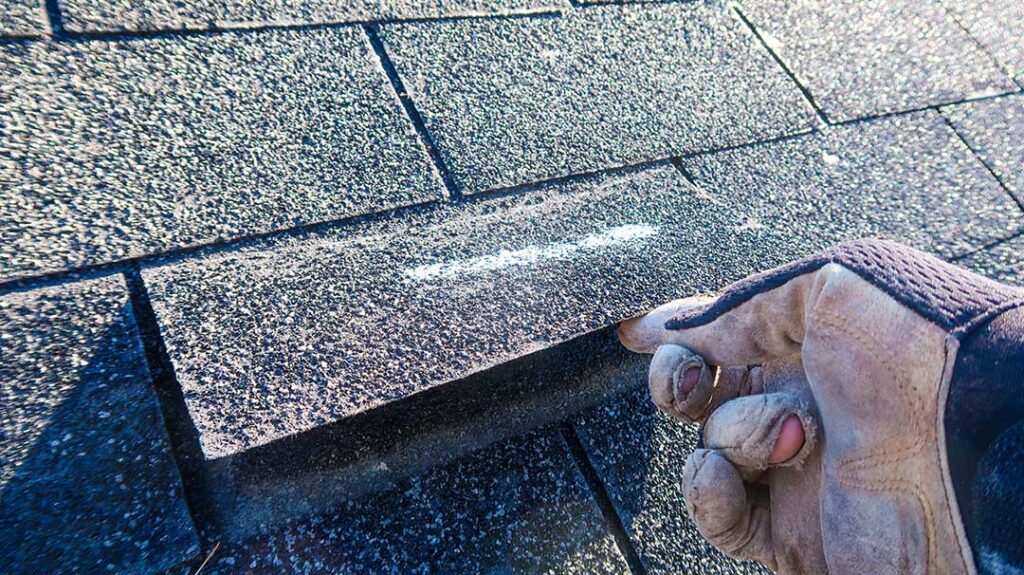
Areas most likely to suffer in a hurricane or severe windstorm include loose or missing shingles, open seams, weakened flashing at edges or joints, clogged gutters, and unsecured satellite dishes or vents. Even small vulnerabilities can become major problems during a storm when wind pressure exploits gaps and water seeks out the tiniest entry points.
- Missing, cracked, or curling shingles often let in water
- Damaged or detached gutters cause water to pool or wash out foundations
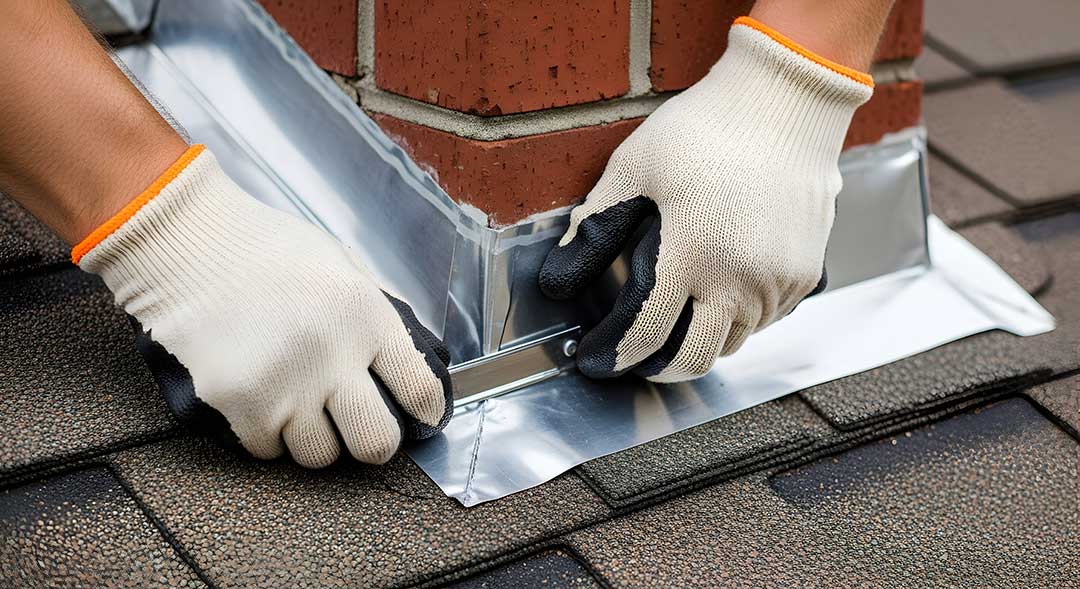
- Loose flashing fails to keep moisture out around chimneys, vents, and roof edges
- Debris buildup can hold water against the roof, increasing leak risks
How Can Residents Inspect Their Roofs Safely Before Hurricane Season?
A careful inspection is the foundation of storm preparation, but safety is key. Residents can perform a basic visual check from the ground using binoculars or from a secure ladder, ideally with a second person present. Focus on:
- Noting any missing or damaged shingles, tiles, or shakes
- Checking for moss, algae, or debris
- Looking at flashings and seals for signs of rust, bending, or gaps
- Observing gutters and downspouts to ensure they are firmly attached and clear
If the roof’s slope is steep, or if there are concerns about safe access, it’s better to use an inspection drone, consult public resources, or observe from the ground, rather than risking a fall.
What Repairs or Maintenance Should Be Done Before Severe Weather?
Small repairs can make a big difference in weathering a storm. Addressing obvious issues before storm threats will reduce the risk of costly interior water damage.
- Replace missing, damaged, or warped shingles and tiles
- Reseal or replace any bent or corroded flashing
- Re-caulk gaps around vents, skylights, and chimneys
- Clear all debris from the roof and gutters, including leaves, twigs, and roof granules
Gutters should be checked for signs of sagging or disconnection, which can cause water to back up and damage roofing materials or siding. Unstable satellite dishes, antennas, and solar panels should be firmly re-secured or temporarily removed if possible.
Should Gutters and Downspouts Be Prepared Differently for Hurricanes?
Gutters are easily overlooked but play a critical role in protecting both the roof and foundation. In heavy rains typical of hurricanes or severe Niagara Falls thunderstorms, clogged gutters can overflow, sending water under shingles or directly against the home’s base.
Before storm season:
- Remove all debris to prevent blockages
- Flush gutters with water to check for unobstructed flow
- Confirm all sections are tightly attached and sloped toward downspouts
- Ensure downspouts direct water at least several feet from the foundation
Splash blocks or downspout extenders can be added to redirect heavy flows further into the yard, minimizing basement flooding risks common in the area.
Can Tree Limbs and Yard Debris Cause Roof Damage in Severe Storms?
Yes, overhanging tree branches, piles of sticks, or even forgotten patio items can become destructive projectiles or create blockages. Trimming large branches that are close to or overhang the roof can prevent puncture damage during wind events.
- Regularly prune trees to maintain several feet of clearance over the roof
- Remove dead branches that could break off easily
- Secure or store outdoor furniture, grills, and unsecured items before storms
This kind of preparation helps protect both the roof surface and the ground-level areas from storm-driven debris.
Are Permits or Special Regulations Required for Roof Work in Niagara Falls?
Roof repairs and alterations may require permits depending on their scope, particularly if structural changes are involved. For minor repairs like replacing a few shingles or sealing flashings, permits are generally not needed. For full roof replacement or structural adjustments, it’s wise to check with the local building department ahead of time. Following code requirements ensures repairs hold up to wind and weather expected in the region.
What Should Area Households Do After a Severe Storm Has Passed?
Even after weathering a storm, immediate follow-up helps prevent hidden damage from getting worse. Residents should:
- Walk the property to look for new leaks, wet spots on ceilings, or unusual drips
- Note visible changes such as missing or lifted shingles, bent gutters, and downed branches
- Take clear photos of any damage for insurance documentation
- Avoid walking directly on wet or unstable roofs until assessed for safety
Leaks and damp spots may not be immediately visible, so monitoring attic spaces and upper walls during and after storms can offer early warning signs.
Are There Common Misconceptions About Roof Storm Prep?
Many assume only homes near the coast need hurricane-proofing, or that modern roofing materials are immune to severe wind and rain. In reality:
- Even inland cities like Niagara Falls can face damaging wind-driven storms
- Routine maintenance is just as important as new materials for storm-resistance
- Preventative steps are often more effective and affordable than major emergency repairs
Careful inspection, small fixes, and basic yard management are usually enough to make a significant difference each season.
