
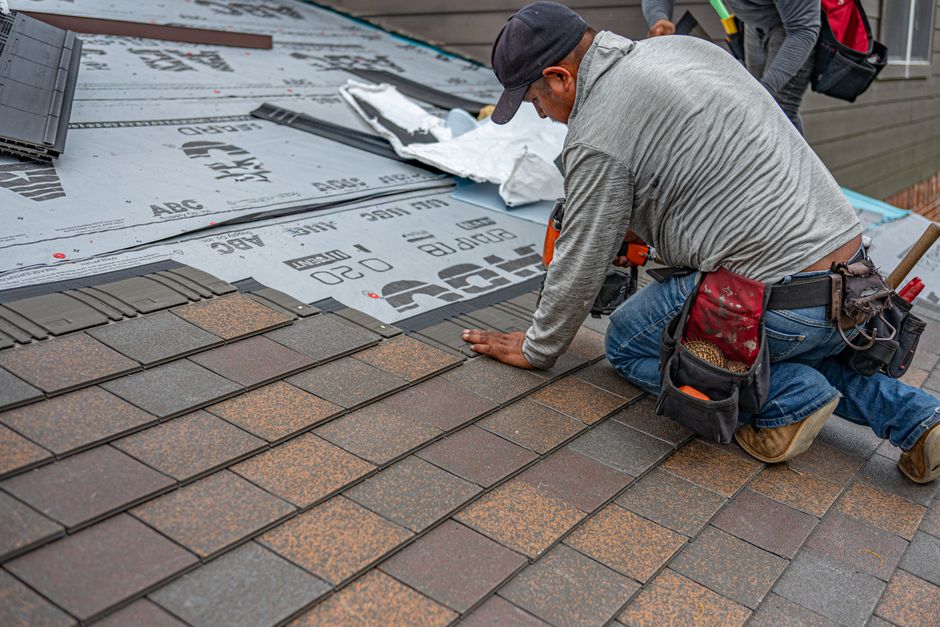
Why can a small roof problem become a major repair?
A minor roof defect can allow water, air, and ice to enter parts of a building that are difficult to inspect. If the problem remains unresolved, damage may spread from shingles or flashing into roof decking, insulation, ceilings, walls, electrical components, and framing.
In Niagara Falls, NY, roofs must withstand rain, snow, freezing temperatures, wind, and repeated thawing. These conditions can turn a small opening into a recurring leak, especially when moisture freezes and expands inside a crack or around a roofing fastener.
A roof repair does more than stop a visible drip. It helps protect the building envelope—the connected system of roofing, walls, insulation, windows, and foundation that separates indoor spaces from outdoor weather.
What happens if a roof leak is ignored?
An ignored leak rarely remains limited to the spot where water first appears. Water can travel along roof decking, rafters, insulation, drywall, and wiring before becoming visible inside the building.
Common consequences include:
- Stained or sagging ceilings
- Soft or deteriorated roof decking
- Wet insulation that loses effectiveness
- Peeling paint and damaged wall surfaces
- Mold and mildew growth
- Corroded fasteners and metal components
- Damaged electrical fixtures or wiring
- Rot in rafters, trusses, or wall framing
A ceiling stain may remain unchanged for weeks and then suddenly worsen during a heavy storm. The visible mark is not always directly below the roof defect, so painting over it without finding the source may conceal the warning rather than solve the problem.
Can a small missing shingle cause serious damage?
Yes. A missing, cracked, or lifted shingle can expose underlayment and roof decking to rain, wind-driven moisture, and snow. One damaged shingle does not always mean the entire roof has failed, but it creates a vulnerable opening that can enlarge over time.
Wind can lift nearby materials after one shingle loses its protective seal. Water may also enter around exposed nail heads or beneath adjacent shingles. During freeze-thaw cycles, trapped moisture can expand and loosen roofing materials further.
Damage is more likely to spread when a defect is located near:
- A roof valley
- A chimney or vent
- A skylight
- A roof edge or eave
- An area where two roof surfaces meet
- A section that collects drifting snow or leaves
These locations have more seams, transitions, or water flow than a broad, uninterrupted roof surface.
How does winter weather increase roofing damage?
Winter weather can worsen existing defects even when no leak is visible indoors. Snow and ice place additional weight on the roof, while wind can drive moisture beneath loose roofing materials.
Ice dams are another concern. They can form when heat escapes into the attic, warms the underside of the roof, and melts snow above. The meltwater may refreeze near colder roof edges, creating a ridge of ice that blocks normal drainage. Water can then move beneath roofing materials and enter the attic or upper walls.
Not every roof develops ice dams, and their formation depends on insulation, ventilation, roof design, weather patterns, and snow conditions. However, repeated ice buildup is a warning that moisture may be reaching areas the roof was not designed to protect.
After winter storms, warning signs may include:
- New ceiling stains
- Icicles combined with interior moisture
- Loose flashing
- Shingles found on the ground
- Drafts or damp insulation in the attic
- Water entering around vents or upper-floor windows
Why is attic damage easy to overlook?
Attic damage often develops before it becomes obvious inside living spaces. Insulation can absorb moisture, wood can remain damp, and small leaks may dry between storms. This can make the problem appear intermittent even though the underlying defect remains.
A damp attic may also contribute to poor indoor comfort. Wet insulation becomes less effective, and moisture can increase the risk of mold growth on wood or other surfaces. In some cases, blocked or inadequate ventilation allows heat and moisture to accumulate, adding stress to roofing materials.
Homeowners should avoid walking on areas of attic insulation or roof decking that appear soft, wet, or unstable. A fall through a ceiling is possible, and hidden electrical wiring may create an additional hazard. Inspection from a safe, accessible location is preferable to entering a questionable area.
Can roof neglect affect indoor air quality?
Roof leaks can contribute to indoor air problems when moisture remains in insulation, drywall, wood, or other porous materials. Mold does not require a dramatic flood; repeated small amounts of moisture can be enough if the affected materials do not dry fully.
People with asthma, allergies, or sensitivity to mold may notice increased symptoms in damp environments. Musty odors, recurring condensation, discolored surfaces, and unexplained humidity can indicate a moisture problem, although these signs do not identify the exact source by themselves.
The longer wet materials remain in place, the more difficult cleanup can become. Materials that are porous, structurally weakened, or visibly mold-affected may require specialized handling rather than simple drying or repainting.
What structural problems can develop?
Persistent water exposure can weaken wood and other building materials. Roof decking may soften, framing may rot, and fasteners may corrode. These changes can reduce the roof’s ability to support its own materials and resist wind or snow loads.
Structural deterioration often develops gradually. A roof may look acceptable from the ground while damage is present underneath. Sagging roof lines, uneven surfaces, doors that begin sticking near an affected wall, or recurring ceiling cracks should not be dismissed as ordinary aging without further evaluation.
A roof that has become unstable is a safety issue. People should not climb onto roofs during rain, snow, high winds, or icy conditions. Damaged sections may also collapse under a person’s weight even when the surrounding surface appears firm.
Does delaying repair cost more?
Delay does not always create immediate major damage, but it increases the opportunity for a small defect to affect additional materials. A repair limited to a shingle, seal, or piece of flashing may become more extensive if water reaches decking, insulation, drywall, or framing.
Costs can also rise indirectly. A leak may damage stored belongings, flooring, furniture, appliances, or electrical components. Moisture-related problems may continue after the original roof opening is closed if wet materials are not dried or removed properly.
That does not mean every roof concern requires emergency work. The practical priority is to distinguish between a cosmetic issue, a localized repair, and a condition that threatens safety or allows active water entry.
Which roof problems need prompt attention?
Active water entry, sagging surfaces, exposed decking, damaged flashing, and large areas of missing roofing materials deserve prompt attention. Immediate caution is also appropriate when water is near light fixtures, outlets, electrical panels, or other powered equipment.
During severe weather, temporary measures may reduce additional exposure, but people should avoid unsafe roof access. Do not climb onto an icy roof, walk beneath visibly sagging ceilings, or disturb electrical equipment affected by water.
For routine concerns, document the location and timing of the problem. Photographs from the ground, notes about recent weather, and records of recurring stains can help identify patterns. After repairs, checking the attic and interior surfaces during the next several rain or snow events can help confirm that moisture is no longer entering.
Regular observation is especially useful for older homes, roofs with multiple additions or intersecting surfaces, and buildings exposed to drifting snow or strong winds. Early attention cannot prevent every roofing failure, but it can reduce the chance that a small defect becomes a hidden structural or moisture problem.
